
Full-Stack Web Application Development for Scalable & Robust Solutions
Build powerful, customized applications with front-end and back-end integration, designed for performance and scalability.
Why Full-Stack Web Application Development Matters
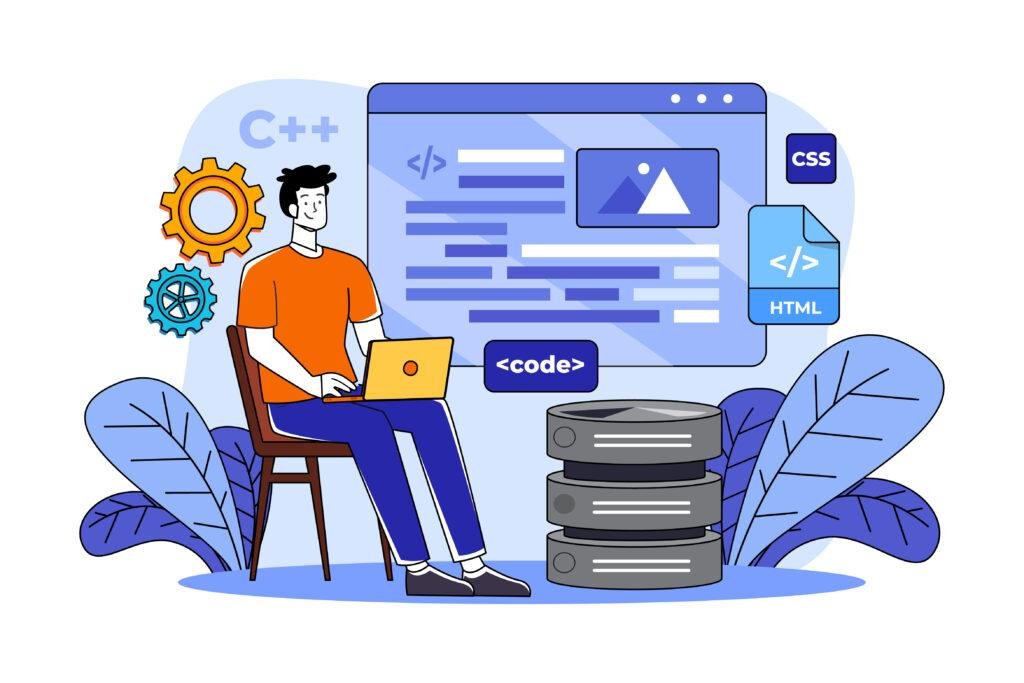
Modern web applications demand end-to-end consistency, scalability, and performance. Full-stack development aligns the user interface, application logic, and infrastructure into a single, reliable system.
End-to-End System Consistency
Full-stack web application development ensures the front-end and back-end are designed as one system. This prevents gaps between user experience, data handling, and business logic as applications grow more complex.

Scalability Without Rebuilding Later
Applications built without scalability in mind often require expensive rewrites as usage grows. Full-stack web application development creates a foundation that supports scalable infrastructure and performance from the start, allowing systems to grow in users, features, and data without sacrificing reliability.

Faster Iteration and Long-Term Maintainability
With a unified development approach, teams iterate faster, debug more efficiently, and reduce technical debt. Full-stack development simplifies long-term maintenance and lowers operational risk.
What You Get with Full-Stack Web Application Development
This is not just code delivery. Full-stack development delivers complete, production-ready systems that are stable, scalable, and built for real-world use.
Custom Application Architecture Built for Scale
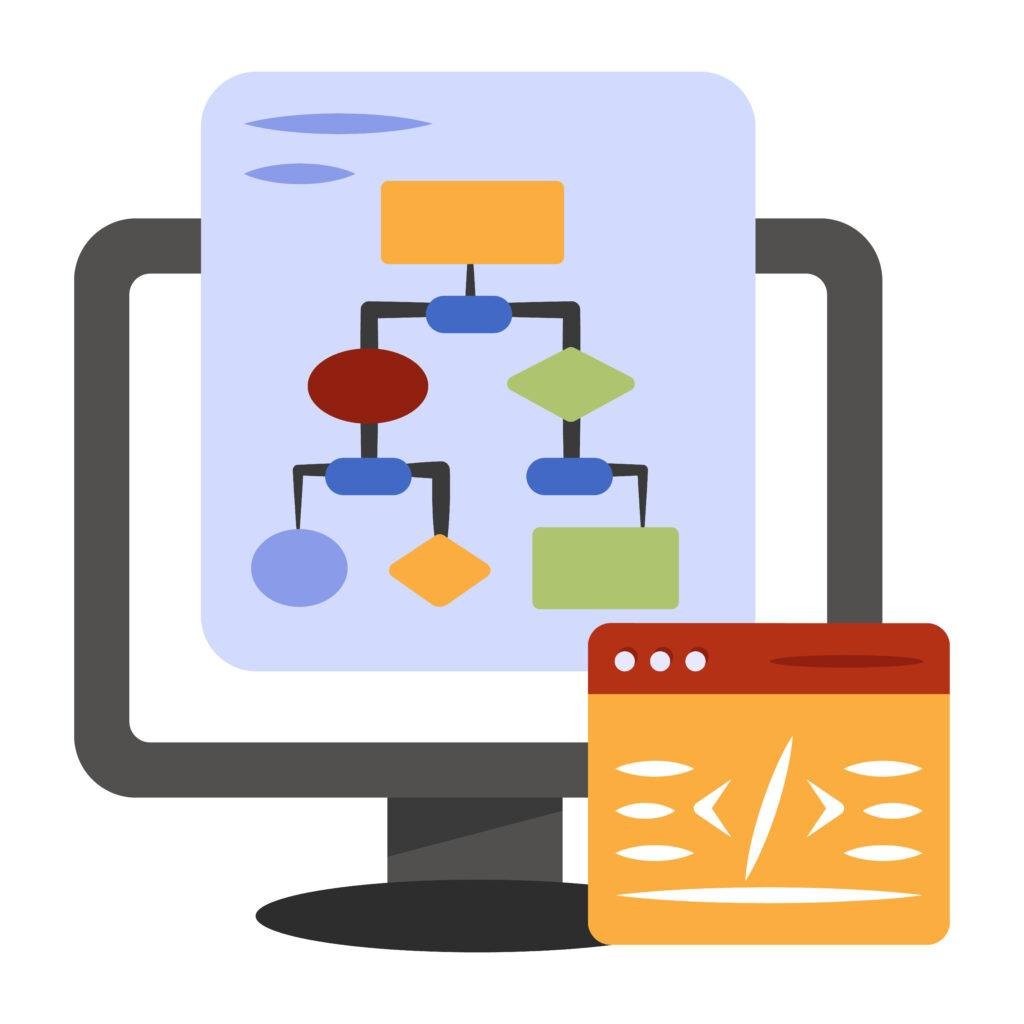
We design full-stack web applications with a clean, modular architecture that supports growth, feature expansion, and long-term maintainability without technical bottlenecks.
Secure Backend Logic and Data Management
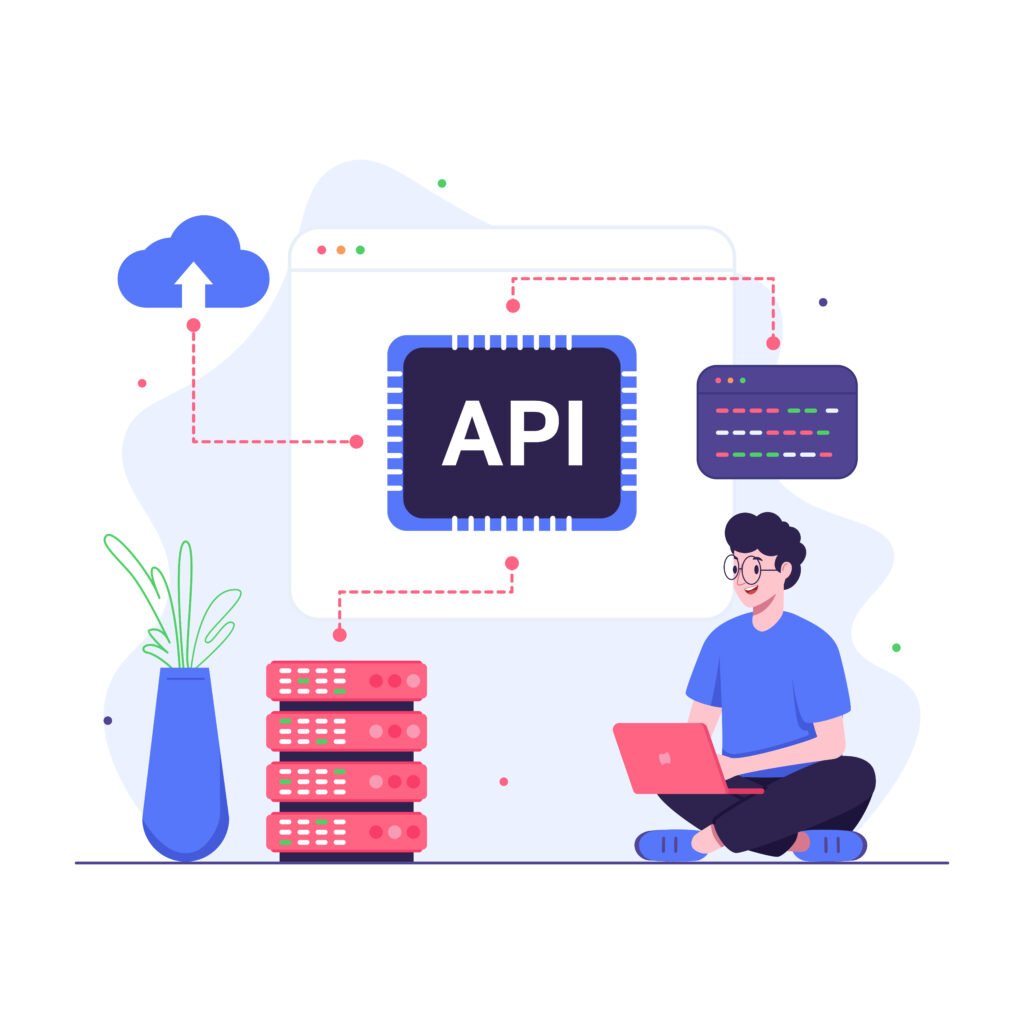
Every full-stack web application includes robust backend logic, secure APIs, and structured data handling to ensure performance, reliability, and data protection as systems grow.

Front-End Interfaces Aligned with Application Logic
User interfaces are built to work seamlessly with application logic, ensuring that front-end interactions accurately reflect system behavior, data flow, and business rules.
How We Deliver Scalable Full-Stack Web Applications
Our delivery process is structured to reduce technical risk, ensure clarity at every stage, and produce stable, production-ready applications, not fragile prototypes.
Architecture-First Planning
Every full-stack web application starts with a clear architectural blueprint. This ensures performance, scalability, and maintainability before a single line of code is written.
- Application flow and system boundaries defined early
- Technology choices aligned with long-term goals
- Scalability and performance considered upfront
Frontend and Backend Built in Parallel
We develop the front-end and back-end as one connected system. This prevents integration issues and ensures that user experience and application logic evolve together.
- Frontend and backend aligned from day one
- APIs designed around real application usage
- Reduced rework and integration friction
Performance, Security, and Testing Built-In
Performance optimization, security controls, and testing are embedded throughout development, not added as an afterthought.
- Secure data handling and access control
- Performance testing under realistic conditions
- Stability checks before deployment
Deployment and Ongoing Technical Support
We ensure full-stack web applications are deployed cleanly and supported beyond launch, reducing operational issues as systems go live and scale.
- Controlled deployment processes
- Environment-specific configurations
- Ongoing technical support readiness
Tools & Benefits That Support Long-Term Full-Stack Growth
The right tools and frameworks matter, but only when they support scalability, stability, and long-term maintainability of full-stack web applications.
Proven Full-Stack Technologies
We work with modern, production-tested technologies that are widely supported, well-documented, and suitable for long-term application development.
Performance-Ready Infrastructure
Full-stack applications are built to perform reliably under real-world conditions, supported by infrastructure decisions that prevent bottlenecks as usage grows.
Maintainability and Future Expansion
Applications are structured to allow future features, integrations, and improvements without destabilizing existing functionality.
Full-Stack Web Application Development - Frequently Asked Questions
Common questions businesses ask before investing in a full-stack web application.
What is a full-stack web application?
A full-stack web application includes both the front-end user interface and the back-end logic, database, and infrastructure working together as one system. This approach ensures consistency, scalability, and long-term maintainability.
When do I need a full-stack web application instead of a standard website?
You need a full-stack web application when your project requires complex functionality such as user accounts, dashboards, integrations, workflows, or dynamic data handling that goes beyond a simple content-based website.
Can a full-stack web application scale as my business grows?
Yes. Full-stack web applications are designed to handle increasing users, features, and data volumes when built with proper architecture and infrastructure planning from the start.
How long does it take to build a full-stack web application?
Timelines vary depending on complexity, features, and integrations. Most full-stack web applications are developed in structured phases to ensure stability, performance, and scalability before launch.
Will my application be secure and easy to maintain?
Security and maintainability are core principles of full-stack development. Applications are built with structured code, secure data handling, and clear system boundaries to reduce risk and simplify long-term maintenance.
Ready to Build a Full-Stack Web Application That Scales?
If you’re planning a serious web application, not a fragile prototype, let’s discuss your requirements, technical goals, and long-term growth before development begins.