
LinkedIn Lead Generation Funnels
Generate B2B leads directly from LinkedIn with funnels built for qualification, tracking, and sales follow-up. We design LinkedIn lead generation funnels that connect targeting, messaging, and landing pages into one clear system.
Why LinkedIn Lead Generation Funnels Matter for B2B Teams
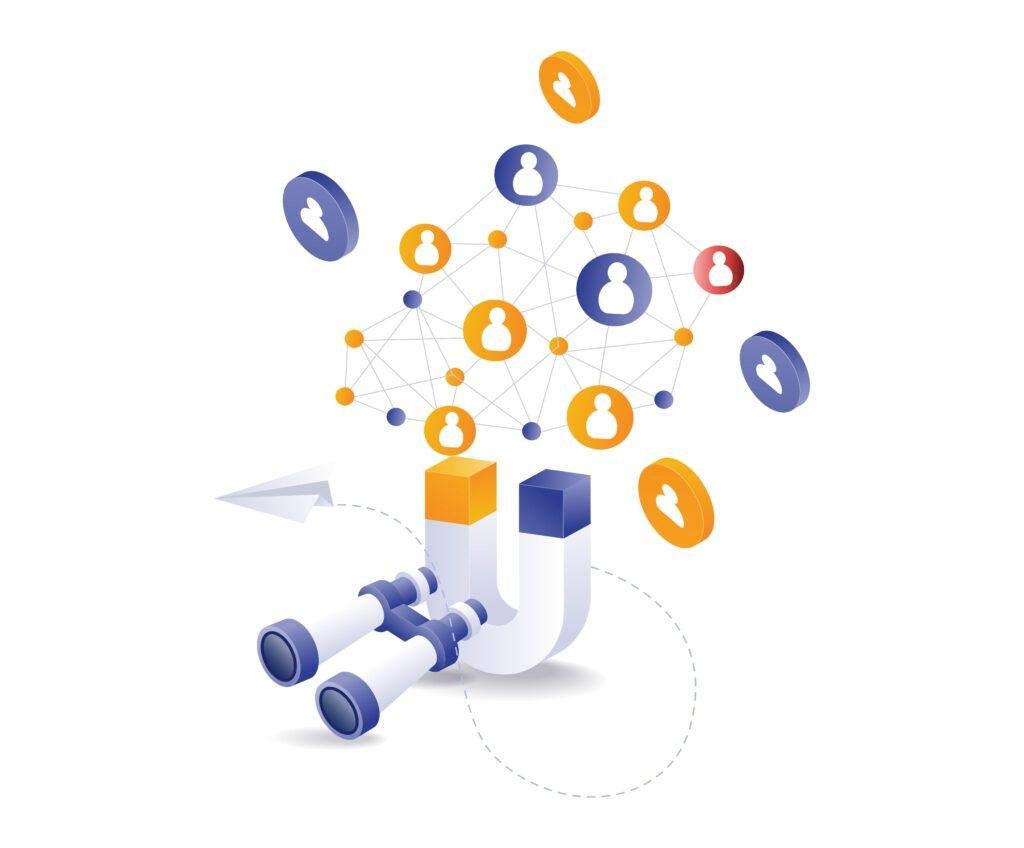
LinkedIn lead generation funnels matter because B2B buyers rarely convert on the first click. Decision-makers need context, relevance, and a clear reason to engage. Without a structured funnel, LinkedIn campaigns produce clicks and form fills that sales teams cannot qualify or close.
A proper LinkedIn funnel aligns targeting, messaging, and follow-up into one flow. Ads speak to a specific role. Landing pages match that intent. Leads enter the CRM with context, not guesswork. This reduces wasted spend and shortens the path from first touch to sales conversation.
Reach the Right Decision-Makers
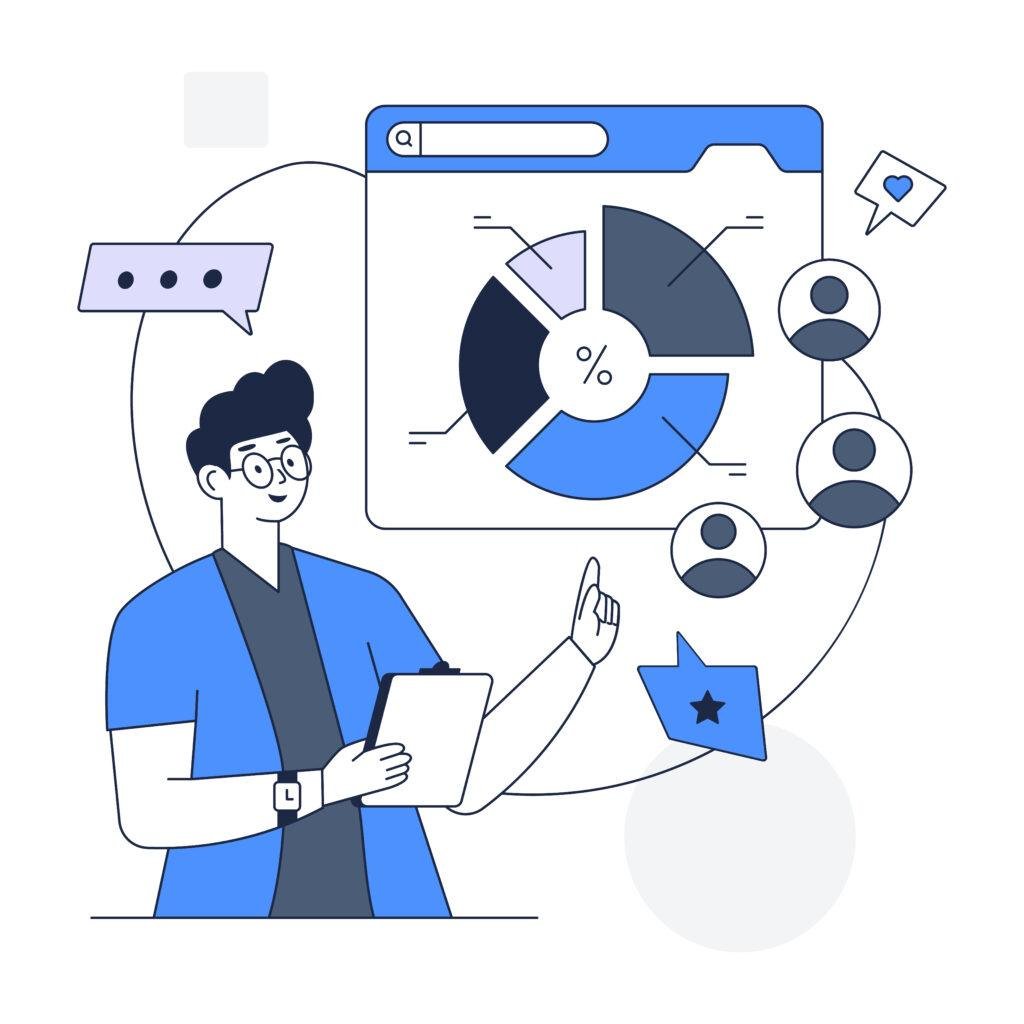
LinkedIn allows precise targeting by role, seniority, and industry. Funnels make sure this targeting is matched with the right message and offer, so you attract people who can actually make buying decisions.
Improve Lead Quality, Not Just Volume
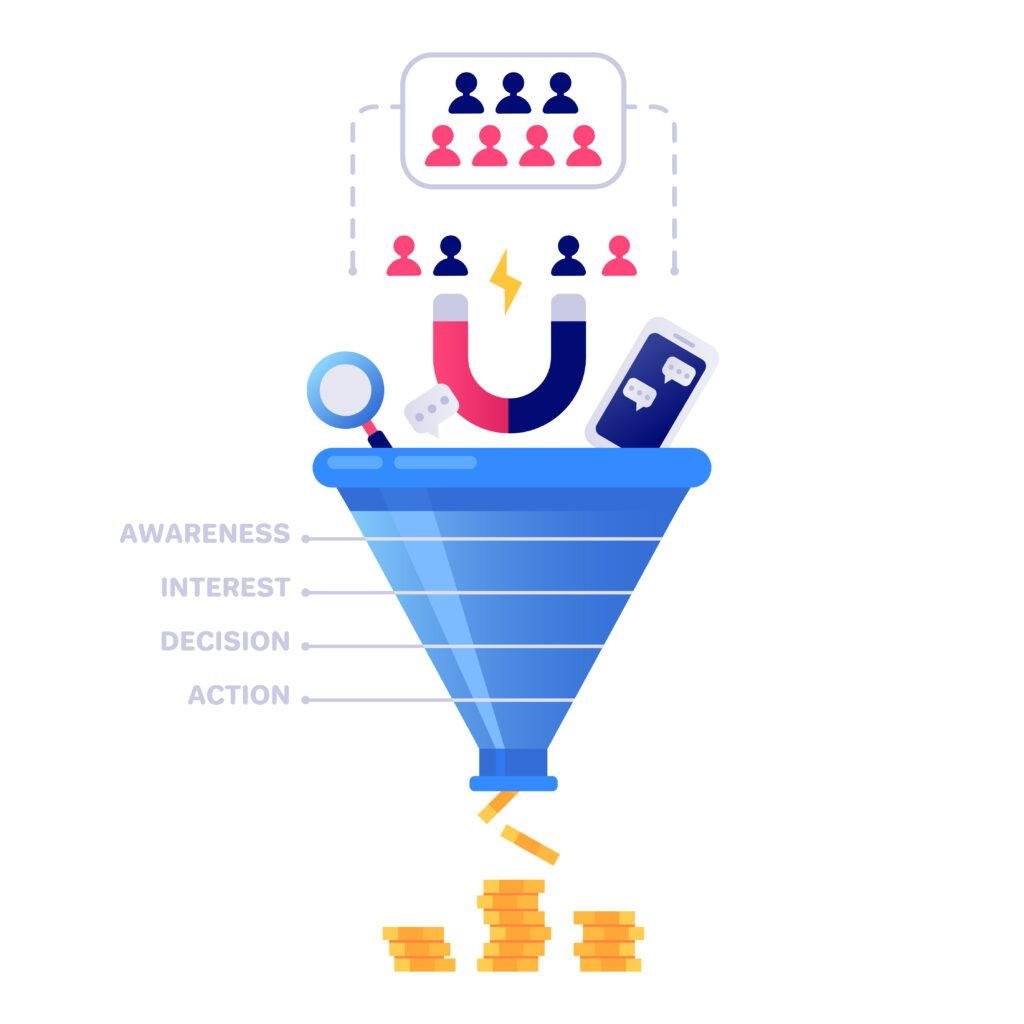
Funnels filter interest before leads reach sales. Instead of pushing every click into a form, the funnel qualifies intent through messaging, content, and structure. Sales teams spend time on better conversations.

Shorten the Sales Cycle
When leads arrive with context, sales teams move faster. Funnels align ads, landing pages, and follow-up so prospects already understand the offer before the first call.
Services We Deliver With LinkedIn Lead Generation Funnels
Every service focuses on lead quality, context, and sales readiness.
Nothing is built in isolation.

LinkedIn Audience and Offer Mapping
LinkedIn lead generation fails when targeting and offers are misaligned. Funnels map roles, seniority, and business context to the right message and entry point. This works best when audience logic is grounded in a clear brand strategy, so decision-makers immediately recognize relevance.

Funnel and Landing Page Structure
We design the funnel flow from ad click to conversion. Landing pages match the promise of the ad and focus on clarity, not persuasion tricks. Leads understand the offer before they submit their details, which improves both quality and follow-up.
Lead Qualification and Sales Handoff
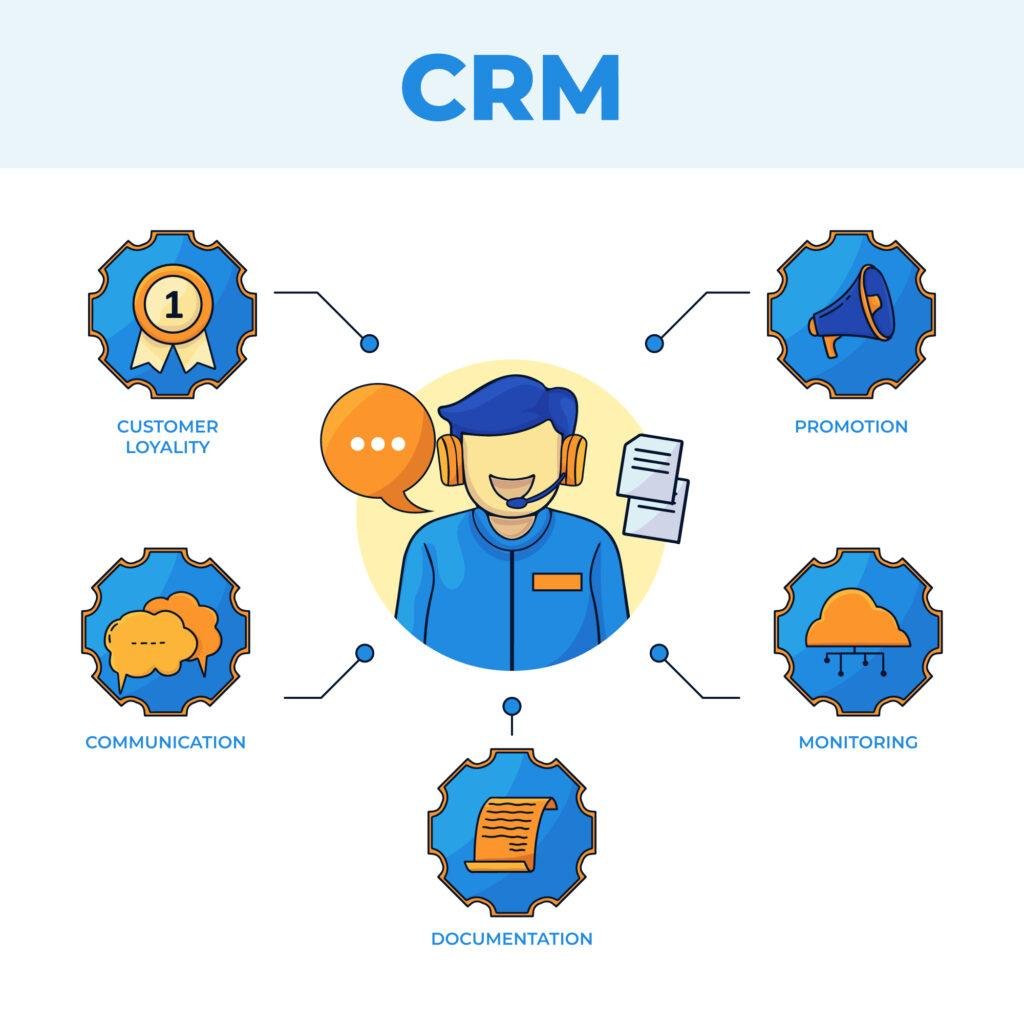
Leads are delivered with context. We define form logic, required data points, and qualification rules so sales teams know who they are contacting and why. This reduces friction and shortens the path to a real sales conversation.
What You Get With LinkedIn Lead Generation Funnels
This service is built to give your sales team better inputs, not just more activity.
Every outcome focuses on lead quality, clarity, and consistent sales conversations.
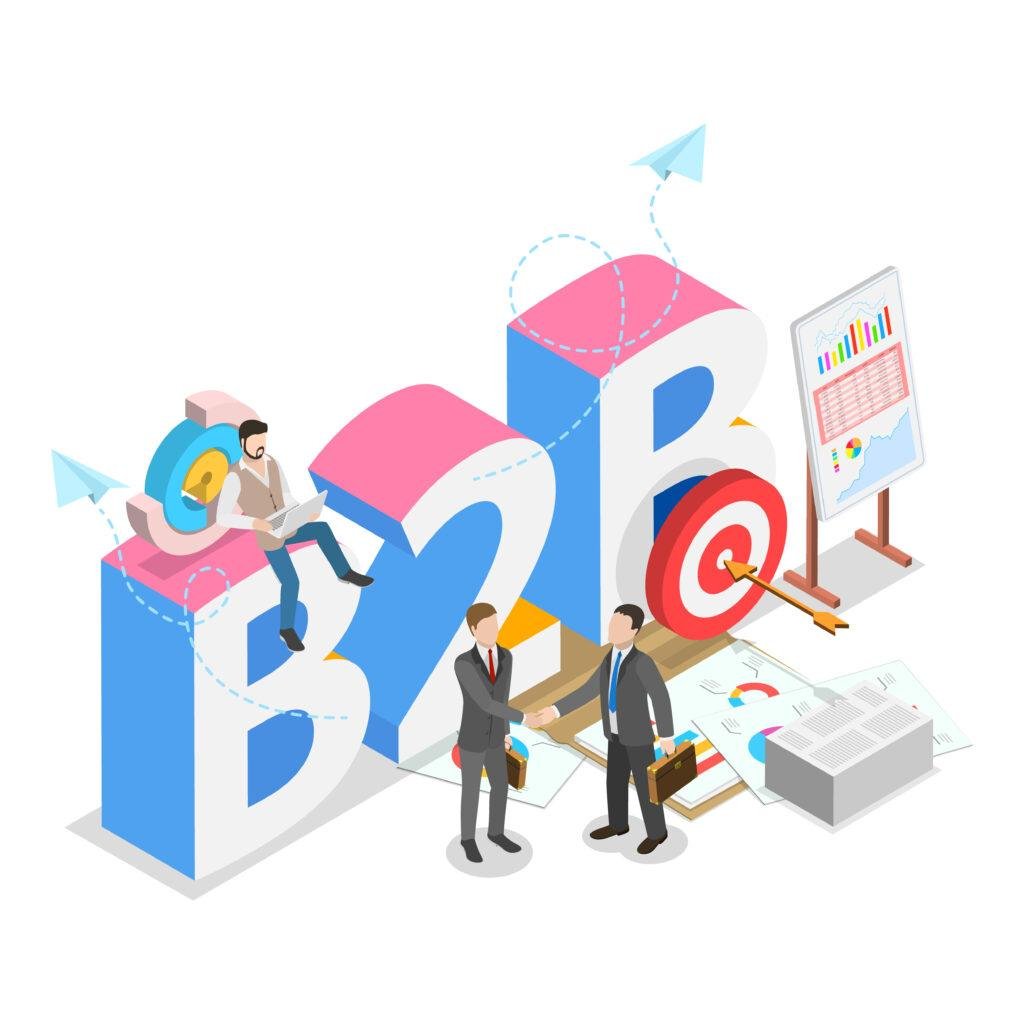
Sales-Ready Leads With Context
Leads arrive with clear context around role, intent, and campaign source. Sales teams know who they are contacting and why, which improves first conversations and reduces wasted follow-ups.
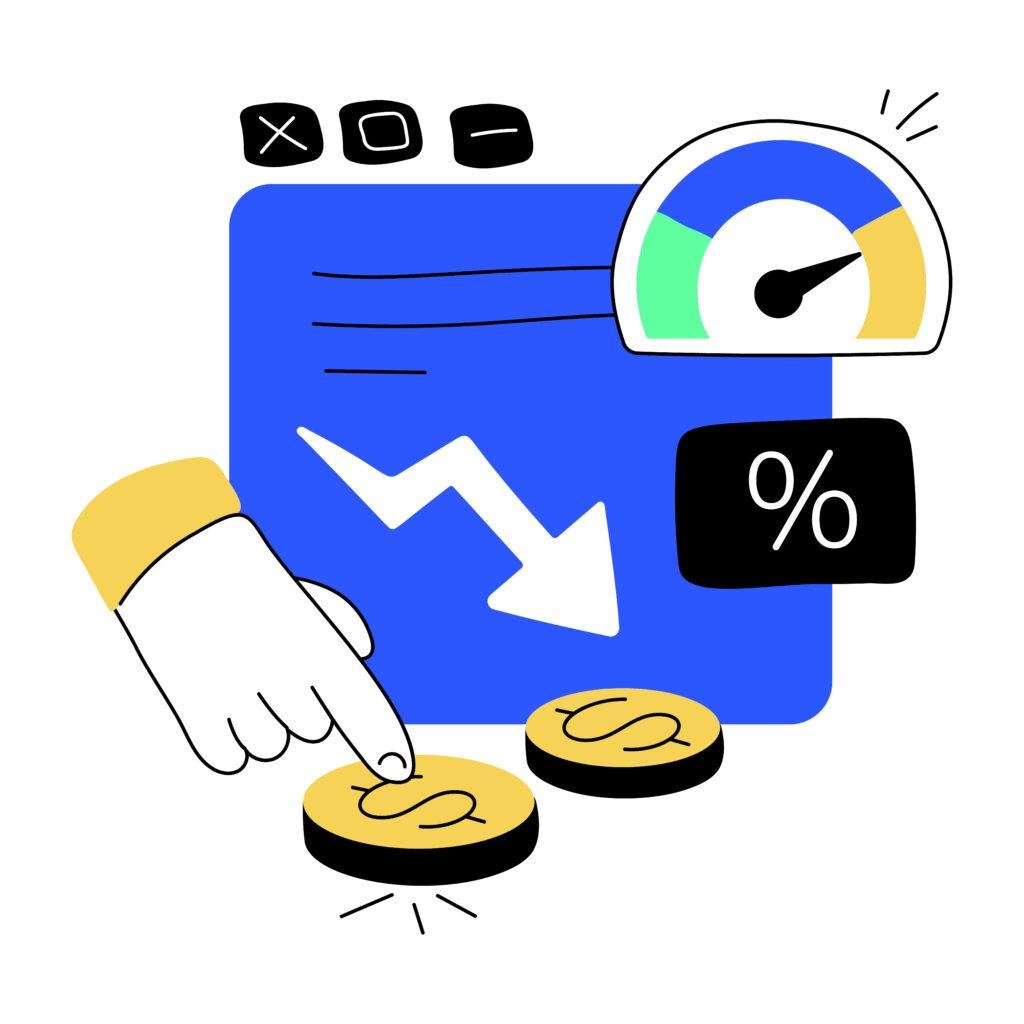
Stable and Defensible Cost per Lead
Funnels are designed to control spend by filtering interest before leads reach sales. Clear targeting and qualification reduce wasted clicks and help stabilize cost per lead over time.

A Funnel That Scales Without Breaking
Once the funnel structure works, scaling becomes controlled. Budgets can increase without sacrificing lead quality or overwhelming sales teams with poor-fit prospects.
How LinkedIn Funnels Support Long-Term Lead Quality
Short-term leads mean nothing if quality drops over time.
This section explains how LinkedIn funnels stay effective as campaigns mature and scale.
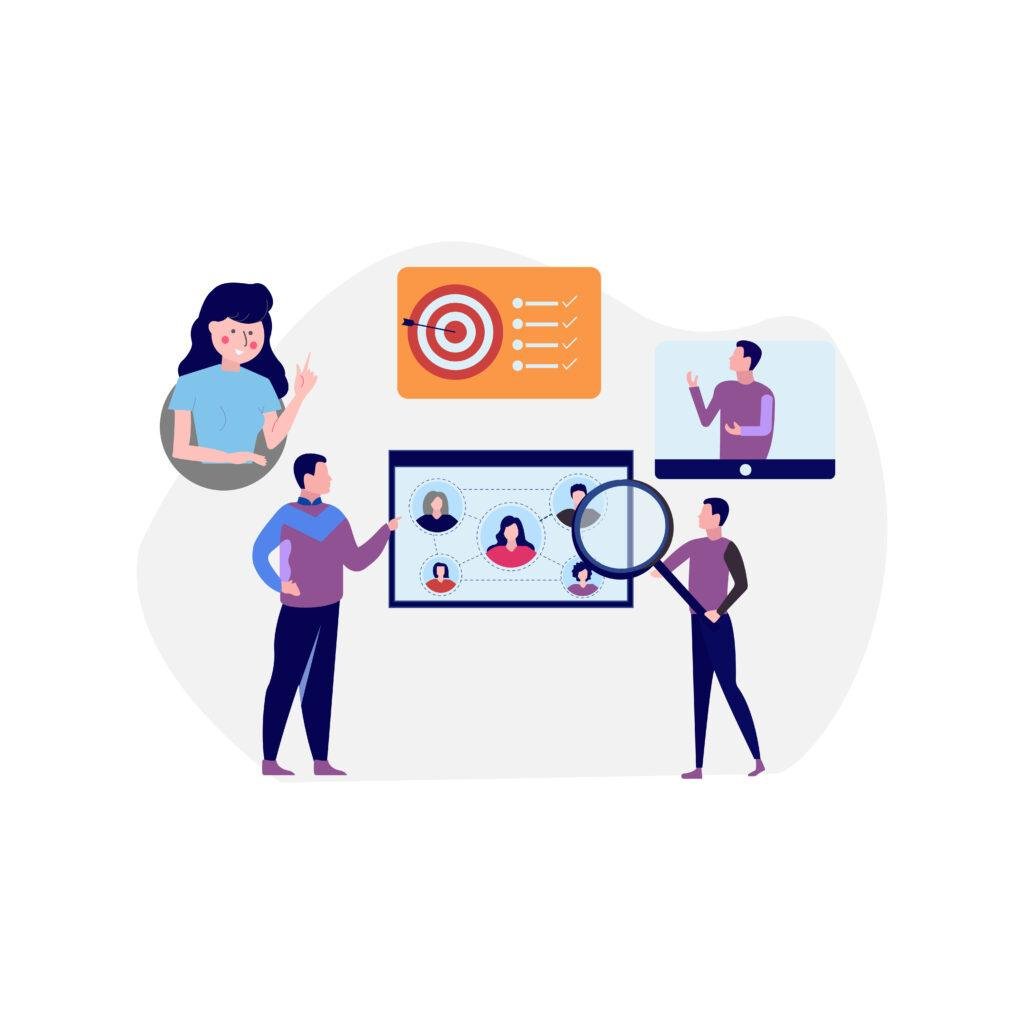
Consistent Targeting Signals Over Time
Funnels are built around stable targeting logic instead of constant audience resets. This helps campaigns learn faster and keeps lead quality consistent as spend increases.

Messaging That Evolves With Buyer Intent
Funnels allow messaging to adjust as buyers move through awareness and consideration. Instead of repeating the same pitch, messaging evolves with intent and context.

Reduced Lead Fatigue and Drop-Off
Well-structured funnels reduce repetition and overexposure. Prospects are guided instead of pressured, which lowers drop-off rates and improves engagement across campaigns.
How We Deliver Results With LinkedIn Lead Generation Funnels
Results come from structure, not guesswork. Our delivery process focuses on clarity, control, and measurable lead quality at every stage.
Nothing in this process runs on autopilot. Each adjustment follows defined rules and observable signals. This keeps funnels stable as spend increases and prevents sudden drops in lead quality.
Funnel Planning and Role-Based Targeting
We start by defining who the funnel is built for and why. Roles, seniority, and buying context are clarified before any setup begins.
- Role and seniority definition
- Buying context alignment
- Offer-to-audience fit
Funnel Structure & Conversion Flow
The funnel is structured from first click to conversion. Messaging, pages, and forms are aligned so prospects understand the offer before engaging.
- Message-to-page alignment
- Clear conversion paths
- Intent-matched page structure
Lead Qualification & Routing Logic
We define how leads are qualified and where they go next. Sales teams receive leads with context, not raw form submissions.
- Required data points
- Qualification rules
- Sales-ready lead routing
Performance Review & Iteration
Funnels are reviewed continuously. Improvements are based on behavior and outcomes, not assumptions.
- Lead quality review
- Conversion drop-off analysis
- Controlled iteration cycles
Tools & Benefits That Support Long-Term Growth
Sustainable results come from systems that stay clear as complexity increases. These tools and benefits support consistency, visibility, and control as funnels scale.
Structured Funnel Architecture
Clear structure keeps funnels stable as traffic and budget grow. Each stage has a defined role, which prevents breakdowns when campaigns scale.
Reliable Tracking Foundations
Funnels are supported by consistent tracking logic. This ensures performance data remains usable over time and decisions are based on real behavior.
Scalable Qualification Rules
Qualification rules are designed to hold as volume increases. Lead quality stays consistent without adding manual checks or sales friction.
FAQ: LinkedIn Lead Generation Funnels
LinkedIn funnels rely on role targeting, messaging clarity, and sales alignment.
These questions focus on decision-makers, qualification, and B2B lead reliability.
What makes LinkedIn lead generation different from other paid channels?
LinkedIn focuses on professional roles and decision-making context. Funnels work best here when messaging, targeting, and qualification are aligned to how B2B buyers evaluate solutions, not how consumers react to ads.
How long does it take to see results from LinkedIn lead generation funnels?
Early performance signals usually appear within the first few weeks. Stable lead quality and predictable cost per lead take longer, as funnels need data to refine targeting, messaging, and qualification rules.
Are LinkedIn lead generation funnels suitable for small teams?
Yes, if the offer and audience are clearly defined. Funnels help smaller teams avoid wasted spend by filtering leads before they reach sales, which is often more important than lead volume.
How do you measure lead quality in LinkedIn funnels?
Lead quality is measured through role relevance, intent signals, conversion behavior, and sales feedback. Performance is judged on usable conversations, not just form submissions.
Can LinkedIn funnels support long sales cycles?
Yes. Funnels are designed to guide prospects through multiple touchpoints, keeping messaging consistent and context clear as buyers move through longer evaluation processes.
Ready to Build a LinkedIn Lead Generation Funnel That Delivers?
If your LinkedIn campaigns generate clicks but not real conversations, the funnel is the problem.
Let’s review what is breaking and what needs to change first.