
Google Ads Funnels Built for High-Intent Lead Capture
Capture demand at the moment buyers are actively searching.
We build Google Ads funnels that turn high-intent searches into qualified leads with clear tracking and sales-ready handoff.

Why Google Ads Funnels Matter for High-Intent Leads
Google ads funnels for high intent leads matter because search traffic captures demand at the decision stage. When users search with clear intent, any disconnect between keyword, ad, page, or follow-up immediately reduces lead quality. Funnels ensure that intent is preserved from search to sales handoff.
A proper Google Ads funnel aligns search intent, ad relevance, landing page clarity, and qualification logic. This prevents wasted spend on mismatched clicks and turns active demand into leads that are ready for real conversations.

Search Intent Must Be Preserved After the Click
High-intent searches lose value the moment messaging breaks between keyword, ad, and page. Funnels preserve intent by aligning search queries, ad copy, and landing page structure. This alignment is only effective when it sits inside a full funnel strategy, where search demand connects to later-stage qualification and sales handoff.
High-Intent Traffic Exposes Conversion Weaknesses
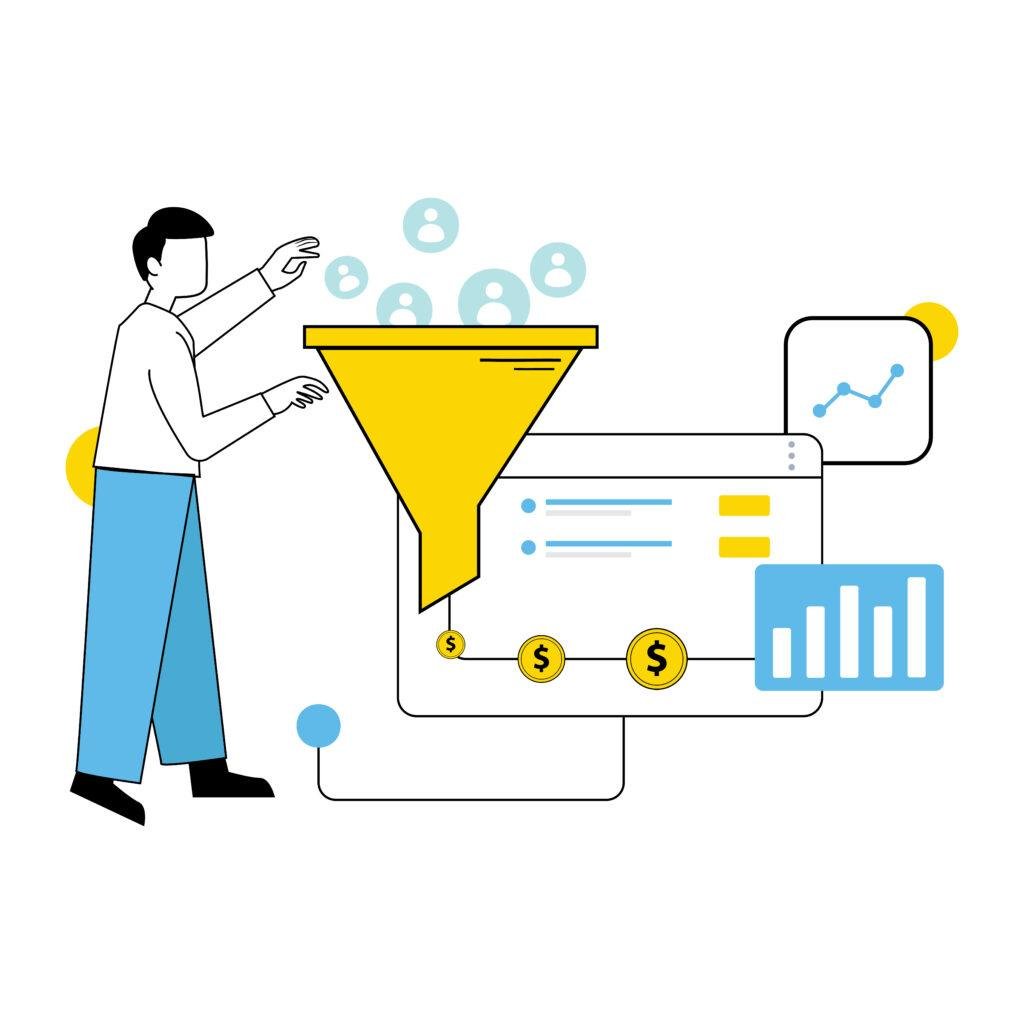
Search traffic does not tolerate friction. When intent is high, weak pages, unclear offers, or poor form logic immediately reduce conversion rates. Funnels surface these issues fast and allow fixes through conversion rate optimization, before wasted spend accumulates.

Funnels Protect Cost per Lead With Better Qualification
High-intent keywords are competitive and expensive. Funnels protect cost per lead by filtering mismatched searches and improving qualification logic using real performance data. This depends on accurate measurement and feedback loops supported by growth analytics and insights.
Services We Deliver With Google Ads Funnels
High-intent traffic only converts when structure, intent, and qualification work together.
These services focus on capturing demand at the moment of search and turning it into sales-ready leads.

Search Demand Capture and Intent Segmentation
We map keywords based on intent, not volume. Search terms are grouped by readiness, commercial context, and decision stage so ads trigger only when buyers are actively looking to take action.

Search-Matched Landing Experiences for Decision-Stage Buyers
Landing pages are built around search context. Each page matches the intent behind the query, removes distractions, and guides users toward a single, clear conversion action.

Search-Intent Confirmation and Sales Handoff
Funnels filter leads before they reach sales. Qualification steps capture intent signals, context, and readiness so sales teams receive leads that are prepared for follow-up.
What You Get With Google Ads Funnels for High-Intent Leads
Search traffic already signals intent.
This section defines the concrete outcomes you get when that intent is captured, confirmed, and handed to sales correctly.

Clear Demand Visibility at the Search Level
You see exactly which searches drive real inquiries and which do not. This removes guesswork and focuses spend on queries that indicate decision-stage intent.

Fewer Clicks That Convert at a Higher Rate
Funnels reduce wasted clicks by matching ads and pages to search context. Traffic volume becomes smaller, but conversion quality increases.

Sales-Ready Leads With Clear Context
Leads reach sales with search context attached. This includes what was searched, why they clicked, and what problem they are trying to solve.
Why Search-Driven Funnels Stay Profitable Over Time
High-intent search demand is expensive and competitive.
Funnels protect performance by controlling cost, relevance, and decision-stage alignment as markets evolve.
Protection Against Rising Keyword Competition
As more advertisers bid on high-intent keywords, costs rise quickly. Funnels reduce exposure to unqualified searches and keep spend focused on terms that signal real buying intent.

Consistent Performance Despite Market Fluctuations
Search demand changes with seasonality, pricing shifts, and buyer behavior. Funnels adapt without constant rebuilds, keeping lead flow stable during demand swings.
Better Spend Allocation Across Search Queries
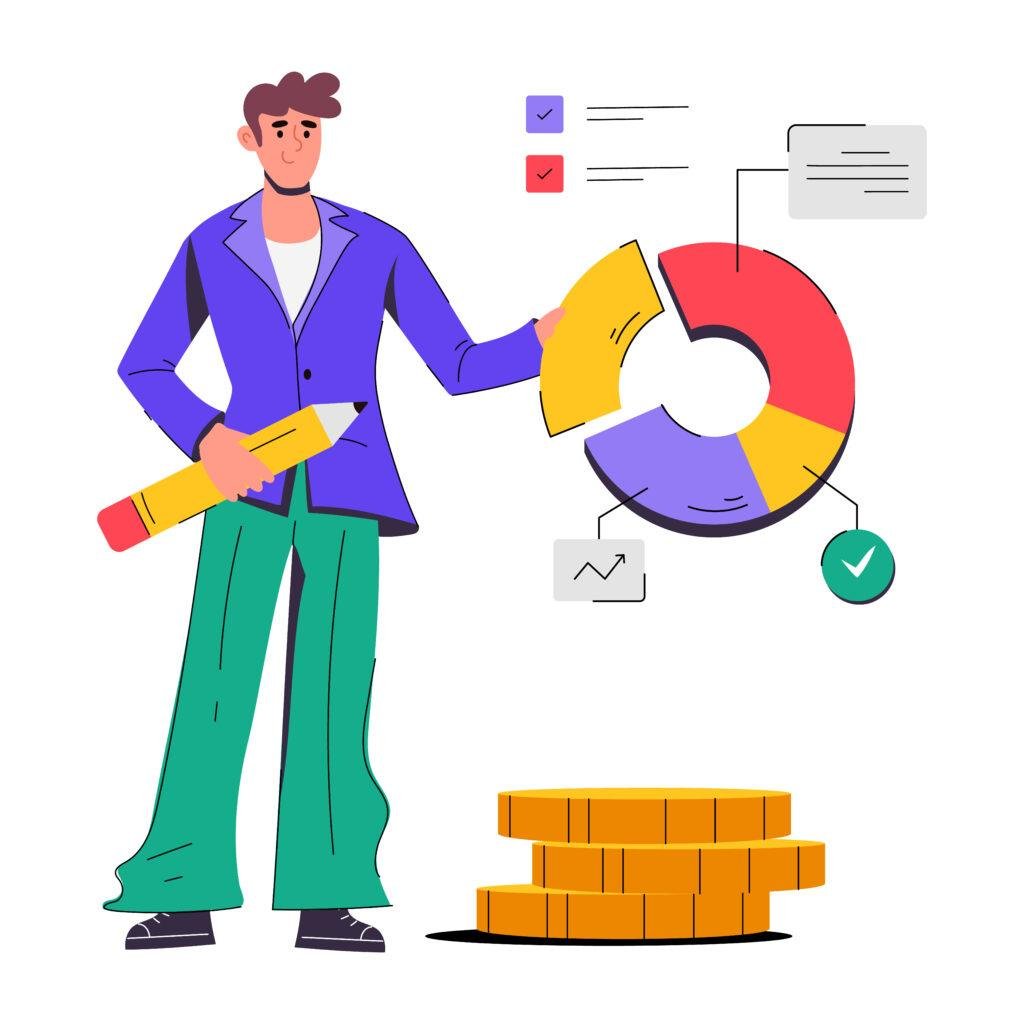
Funnels reveal which queries deserve more budget and which should be limited. Spend decisions are guided by conversion behavior, not surface metrics.
How Search-Driven Funnels Are Executed and Controlled
Google Ads performance depends on precision, not volume. This execution system focuses on intent confirmation, cost discipline, and predictable lead quality at the query level.
Search Query Control and Intent Validation
Google Ads funnels start with strict control over which searches are allowed into the system. Queries are validated before scale to protect intent and cost.
- Query intent classification
- Negative keyword logic
- Decision-stage filtering
Auction-Aware Funnel Structuring
Funnels are structured with auction dynamics in mind. Bid strategy, match types, and funnel stages are aligned to avoid wasted spend on misaligned queries.
- Match-type segmentation
- Auction pressure awareness
- Funnel-stage bid alignment
Search-Intent Confirmation and Sales Handoff
Before leads reach sales, intent is confirmed through context capture and form logic. Sales receives leads with clear search signals attached.
- Query context capture
- Intent confirmation logic
- Sales-ready lead routing
Cost Stability and Scale Governance
Scaling search traffic without control increases cost volatility. Funnels introduce governance rules that stabilize performance before budgets increase.
- Cost-per-lead thresholds
- Controlled scaling rules
- Performance guardrails
Tools and Controls That Keep Search Funnels Reliable
Search intent is valuable only when it can be measured and controlled.
These tools and controls keep Google Ads funnels stable, transparent, and decision-driven over time.
Query-Level Tracking and Attribution
We track performance at the query level so every lead is tied back to actual search behavior. This makes intent visible and attribution defensible.
Cost and Conversion Guardrails
Guardrails define when spend can increase and when it must pause. This prevents cost spikes and protects efficiency as competition changes.
Search Performance Reporting for Decisions
Reports are built around decisions, not dashboards. Each metric answers a clear question about intent, cost, or lead readiness.
FAQ: Google Ads Funnels for High-Intent Leads
Search traffic signals intent, but intent still needs confirmation.
These questions explain how Google Ads funnels protect cost, intent, and lead readiness.
Are Google Ads funnels only useful for bottom-of-funnel leads?
Google Ads funnels work best at the decision stage, but they still require structure. Without funnels, even high-intent searches can convert into low-quality leads or inflate cost per lead.
Why do high-intent keywords still produce weak leads?
High intent does not guarantee readiness. Poor landing pages, unclear offers, or weak qualification break intent after the click. Funnels confirm intent before leads reach sales.
How do Google Ads funnels help control rising keyword costs?
Funnels filter irrelevant queries early, improve conversion efficiency, and prevent spend from expanding into low-quality searches. Cost control comes from intent discipline, not bid limits alone.
How quickly can Google Ads funnels show results?
Search funnels often show early signals within days. Stable cost behavior and predictable lead quality require continuous refinement as more query-level data becomes available.
Can Google Ads funnels work alongside other paid channels?
Yes. Google Ads funnels often capture decision-stage demand while other channels support awareness or retargeting. Funnels ensure search traffic integrates cleanly into the wider acquisition system.
Turn High-Intent Searches Into Sales-Ready Leads
Search demand already exists. The question is whether it converts. Let’s review your current Google Ads funnel and identify where intent is leaking or cost is rising. This call is practical and focused.
We look at search intent, funnel structure, and lead quality. You leave with clear next steps, even if we do not work together.