
B2B Paid Campaign Funnels Built for Long Sales Cycles
B2B paid campaign funnels align paid traffic with how real buying decisions happen.
We structure campaigns to support multi-touch journeys, longer evaluation periods, and sales teams that need context, not just leads.
Why B2B Paid Campaign Funnels Matter
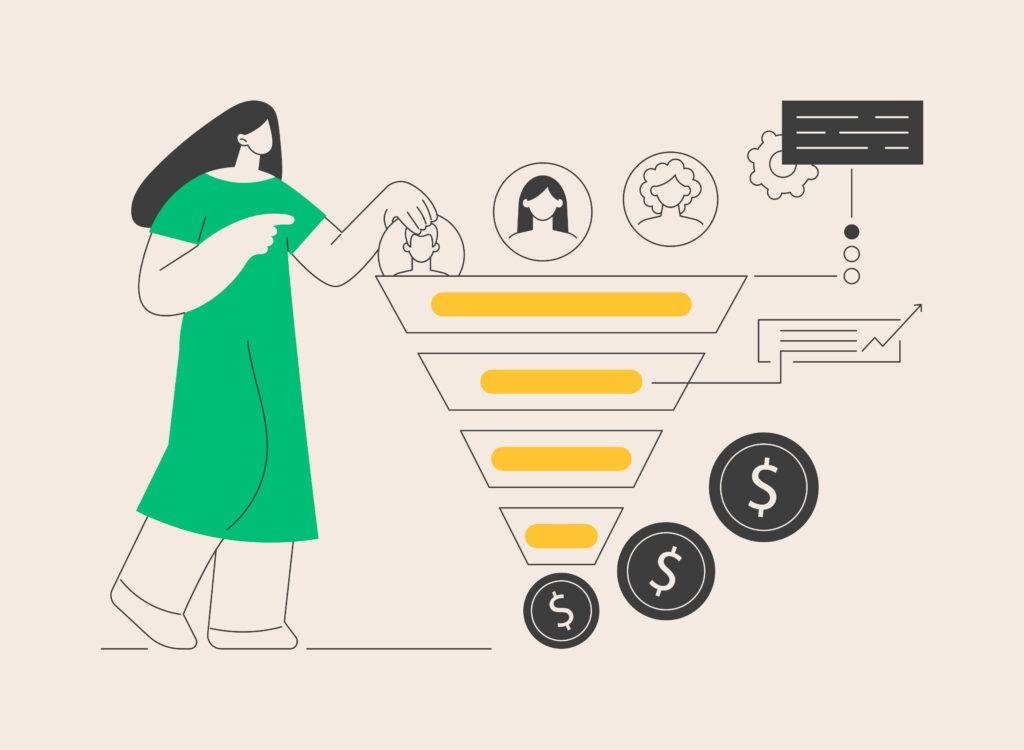
b2b paid campaign funnels matter because enterprise buying decisions rarely happen after a single click. Multiple stakeholders, longer evaluation periods, and delayed intent signals mean paid traffic must support the entire decision journey, not just capture a form fill.
Without funnel structure, paid campaigns generate activity without progress. Funnels align paid touchpoints with how B2B buyers research, compare, and internally justify decisions, so marketing effort translates into measurable pipeline movement.

B2B Buyers Need Multi-Touch Decision Support
In B2B, buyers move between awareness, validation, and internal alignment before contacting sales. Funnels support this process by sequencing paid touchpoints and messaging within a full funnel strategy, rather than relying on one-off campaigns.

Lead Signals Appear Before Lead Forms
B2B intent often shows through engagement patterns before form submissions. Funnels capture and interpret these signals, supported by growth analytics and insights, so sales engagement is timed correctly.
Funnels Prevent Pipeline Noise
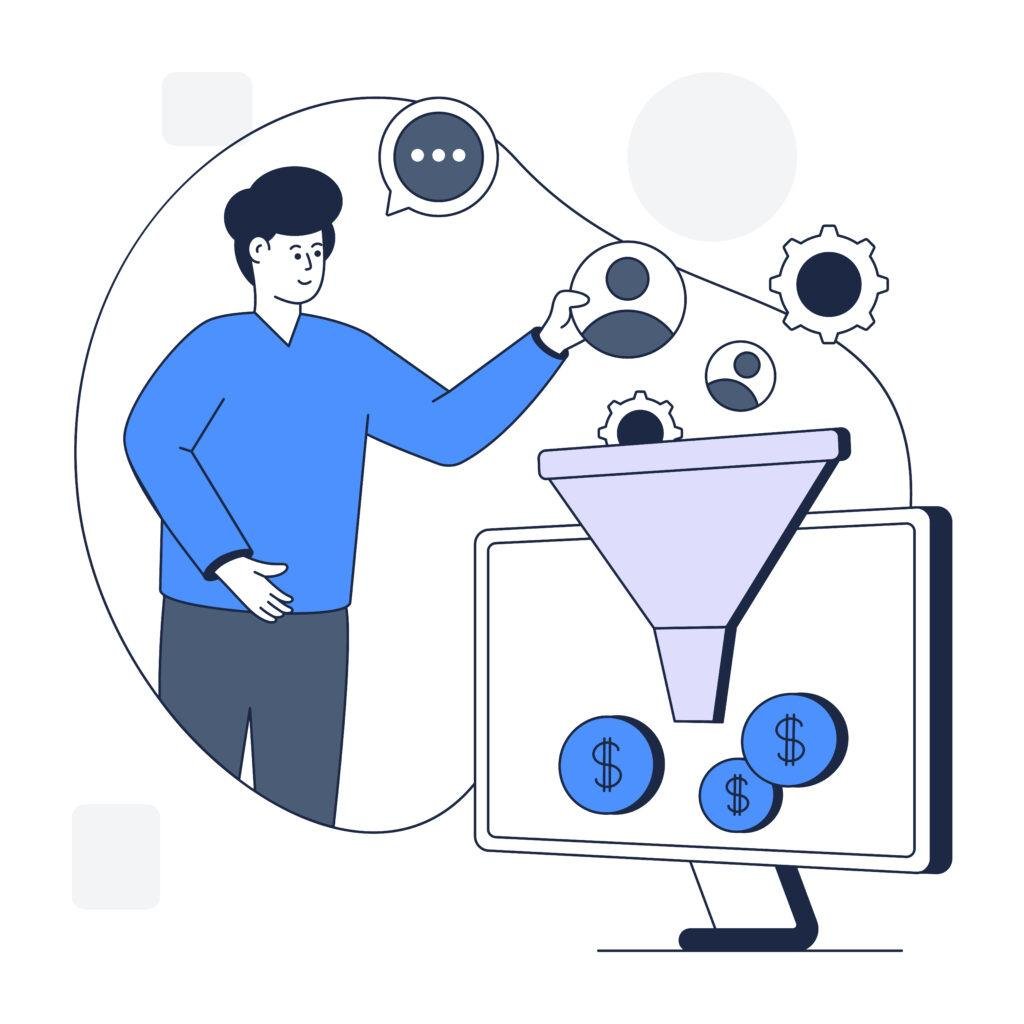
Unstructured paid campaigns inflate lead volume without improving pipeline quality. Funnels introduce qualification logic that filters noise and keeps sales teams focused on accounts with real buying potential.
Services We Deliver With B2B Paid Campaign Funnels
B2B campaigns succeed when paid activity supports long evaluation cycles.
These services structure paid channels to move accounts forward, not just generate clicks.
Multi-Stage Paid Funnel Architecture for B2B
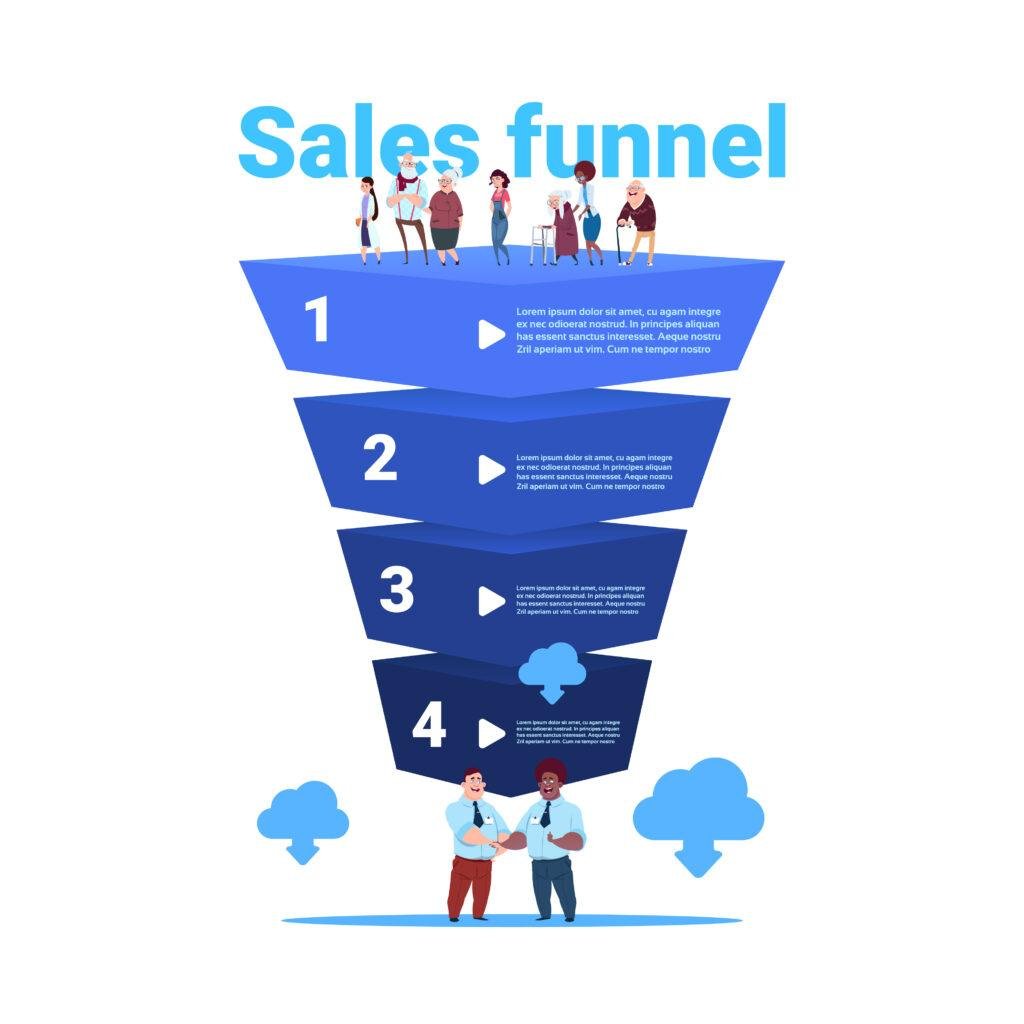
We design paid funnels that reflect real B2B buying stages. Campaigns support awareness, validation, and internal alignment instead of forcing early conversion.
Account-Level Targeting and Role Coverage
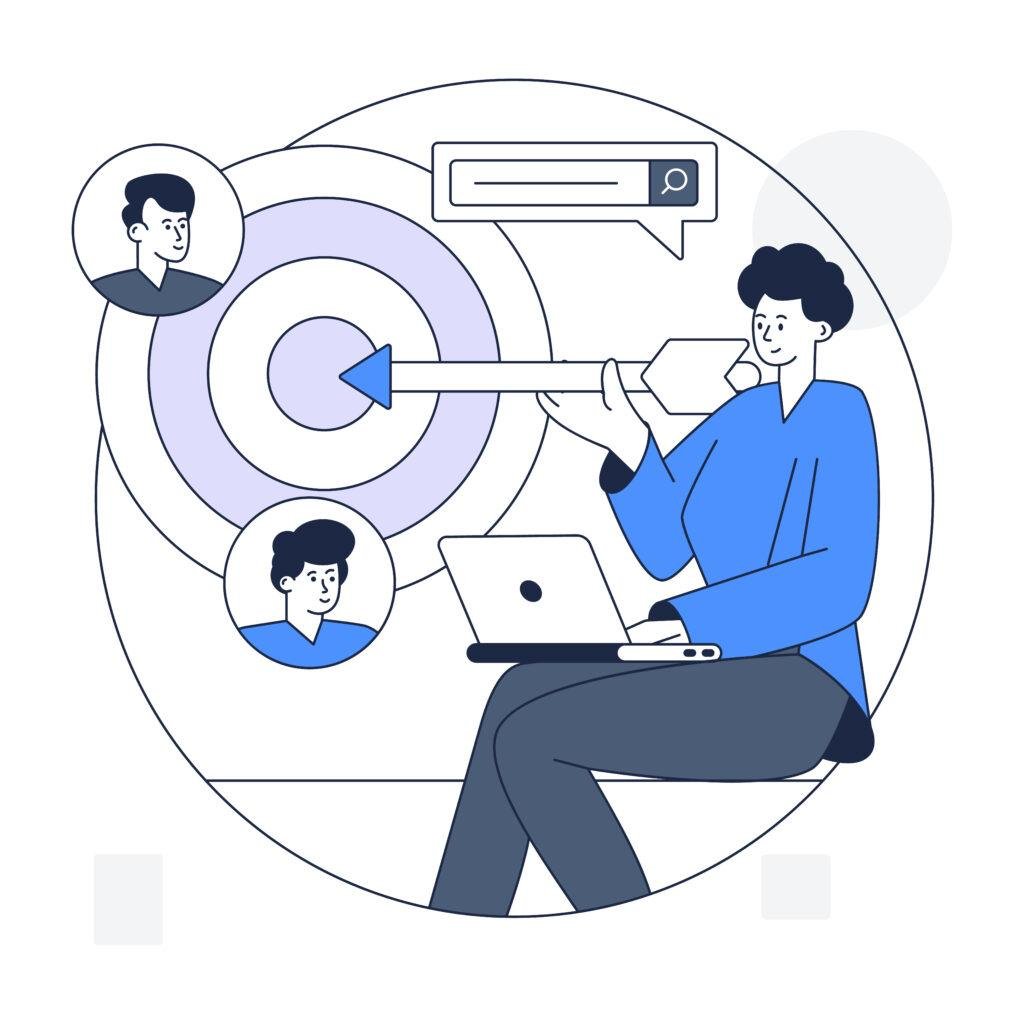
B2B decisions involve multiple roles. Funnels structure paid campaigns to reach decision-makers, influencers, and blockers within target accounts.

Paid Campaign Qualification and Sales Alignment
Funnels qualify engagement before sales contact. Paid interactions, content consumption, and intent signals are aligned with how sales teams assess readiness.
What You Get With B2B Paid Campaign Funnels
B2B paid campaigns are judged by pipeline movement, not click volume.
These outcomes reflect what changes when paid activity supports real buying cycles.

Clear Visibility Into Account Progress
You gain clarity on which accounts are moving forward and which are not. Paid engagement is tied to buying stages, not isolated interactions.
Higher Quality Conversations With Sales
Sales teams receive leads and accounts with context. Engagement history, role coverage, and intent signals support more productive conversations.

Reduced Waste Across Paid Spend
Paid budget is focused on accounts and roles with real buying potential. This reduces spend on low-impact traffic and improves long-term efficiency.
Why B2B Paid Campaign Funnels Create Durable Pipeline Value
B2B performance is measured over quarters, not days.
Funnels protect momentum across long decision cycles and prevent paid efforts from stalling between touchpoints.

Momentum Across Long Evaluation Periods
B2B buyers pause, revisit, and revalidate decisions over time. Funnels maintain paid visibility and relevance across these gaps so interest does not decay before sales engagement.

Consistent Message Reinforcement Across Stakeholders
Different stakeholders enter the buying process at different times. Funnels reinforce consistent positioning across paid touchpoints so internal alignment is easier for buying teams.

Stronger Signal Quality for Sales Forecasting
Funnels turn paid engagement into meaningful signals over time. This improves forecasting accuracy by separating early curiosity from real buying intent at the account level.
How B2B Paid Campaign Funnels Are Executed Across Long Sales Cycles
B2B paid campaigns must support evaluation, validation, and internal alignment.
This delivery system controls how paid touchpoints move accounts forward without forcing early conversion.
Account-Level Funnel Planning and Sequencing
Funnels are planned at the account level, not the click level. Paid activity is sequenced to support awareness, evaluation, and internal discussion over time.
- Account-first funnel design
- Stage-based message sequencing
- Long-cycle progression control
Role Coverage and Stakeholder Mapping
Paid campaigns are structured to reach decision-makers, influencers, and blockers within the same account. This prevents single-contact dependency.
- Role-based audience mapping
- Stakeholder coverage planning
- Decision-group visibility
Engagement Qualification Before Sales Contact
Funnels qualify engagement patterns over time before routing accounts to sales. This protects sales teams from premature outreach.
- Engagement depth thresholds
- Timing-based qualification
- Sales-readiness signals
Budget Governance and Long-Cycle Performance Control
Budgets are governed across stages, not bursts. Funnels introduce controls that maintain efficiency throughout extended decision timelines.
- Stage-based budget allocation
- Spend stability controls
- Long-term efficiency tracking
Tools and Controls That Support Long B2B Sales Cycles
Long B2B buying cycles demand consistency, visibility, and control.
These tools ensure paid campaigns remain reliable across extended evaluation periods and multiple stakeholders.
Account-Level Performance Tracking
We track performance at the query level so every lead is tied back to actual search behavior. This makes intent visible and attribution defensible.
Stage-Based Budget Controls
Budgets are allocated by buying stage, not by short-term results. This prevents overspending early and supports sustained visibility throughout the cycle.
Cross-Stakeholder Engagement Visibility
Paid engagement is monitored across roles within the same account. This helps identify alignment gaps before sales outreach begins.
FAQ: B2B Paid Campaign Funnels
B2B paid campaigns support long evaluation cycles and multiple decision-makers.
These questions address how funnels keep paid activity aligned with real pipeline progress.
Why do B2B paid campaigns need funnels instead of standalone campaigns?
B2B buyers rarely convert after a single interaction. Funnels allow paid campaigns to support research, validation, and internal alignment before sales engagement.
How do B2B paid campaign funnels differ from lead generation funnels?
B2B funnels prioritize account progression over immediate form fills. The focus is on sustained engagement, role coverage, and readiness signals, not volume.
Can B2B paid campaign funnels work across multiple paid channels?
Yes. Funnels coordinate messaging and timing across channels while keeping account-level context consistent throughout the buying cycle.
How long does it take to see results from B2B paid campaign funnels?
Early engagement signals appear quickly, but meaningful pipeline impact develops over weeks or months as accounts move through evaluation stages.
How do funnels help sales teams in long B2B cycles?
Funnels provide sales with context on engagement history, stakeholder involvement, and timing so outreach aligns with buyer readiness.
Build Paid Campaigns That Move Real B2B Deals Forward
If your paid campaigns generate activity but not pipeline movement, the structure is the issue. Let’s review how your paid efforts support long sales cycles and sales alignment.
This call is practical and focused. We review your current paid campaigns, buying-cycle alignment, and pipeline signals. You leave with clear next steps, even if we do not work together.