
Ad Creative and Copy Testing Funnels That Improve Results Over Time
Ad creative and copy testing funnels turn paid campaigns into learning systems.
Instead of guessing what works, we test messages, formats, and angles inside structured funnels so performance improves with every iteration.
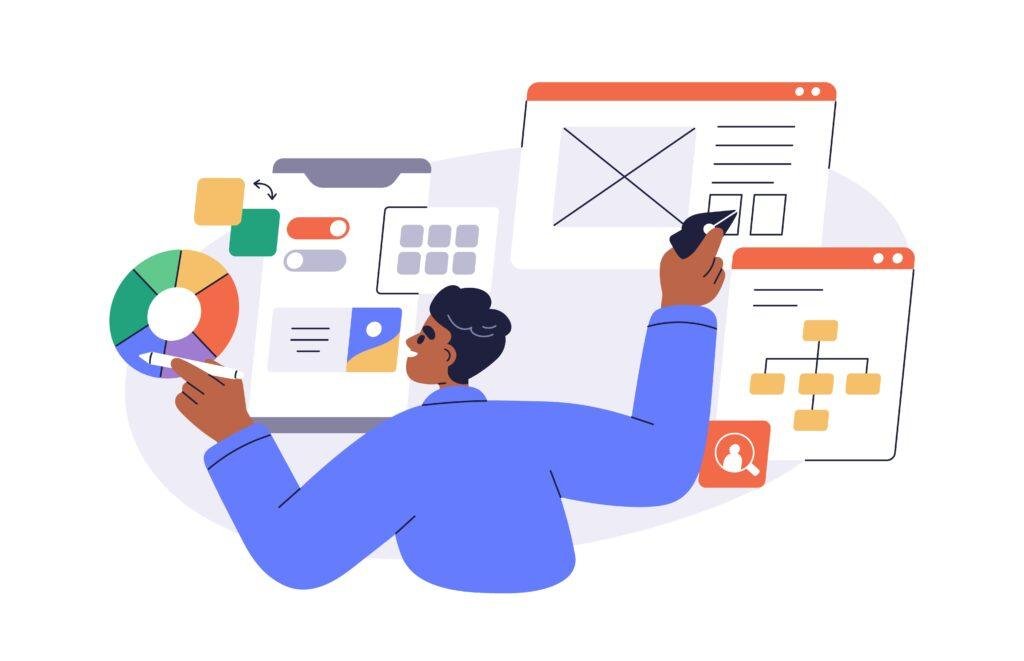
Why Creative and Copy Testing Funnels Matter
ad creative and copy testing funnels matter because paid performance rarely fails due to targeting alone. Most campaigns underperform because the message, angle, or format does not match buyer intent at the moment it is shown.
Without structured testing, teams change creatives randomly and misread results. Funnels turn testing into a controlled process, so decisions are based on patterns, not isolated wins or losses.
Creative Performance Is Context-Dependent
An ad can succeed or fail based on timing, audience awareness, and placement. Funnels isolate variables so creative performance is measured in the right context instead of averaged across unrelated traffic.
Testing Without Structure Skews Decisions
When ads are tested without funnel control, results are misleading. Funnels separate message testing from traffic noise so real signals emerge over time.
Copy Needs Feedback Loops to Improve
Copy improves through iteration, not intuition. Funnels create feedback loops that connect messaging changes to downstream behavior and conversion quality.
Services We Deliver With Ad Creative and Copy Testing Funnels
Creative testing only works when it is systematic.
These services turn ad ideas into controlled experiments that improve performance over time.
Creative Angle and Message Framework Design
We define clear creative angles before testing begins. Each angle represents a specific promise, pain point, or motivation so performance can be evaluated with purpose.
Controlled Creative and Copy Testing Setup
We build testing environments that isolate variables. This allows headlines, visuals, formats, and hooks to be evaluated without traffic distortion.
Performance Analysis and Iteration Planning
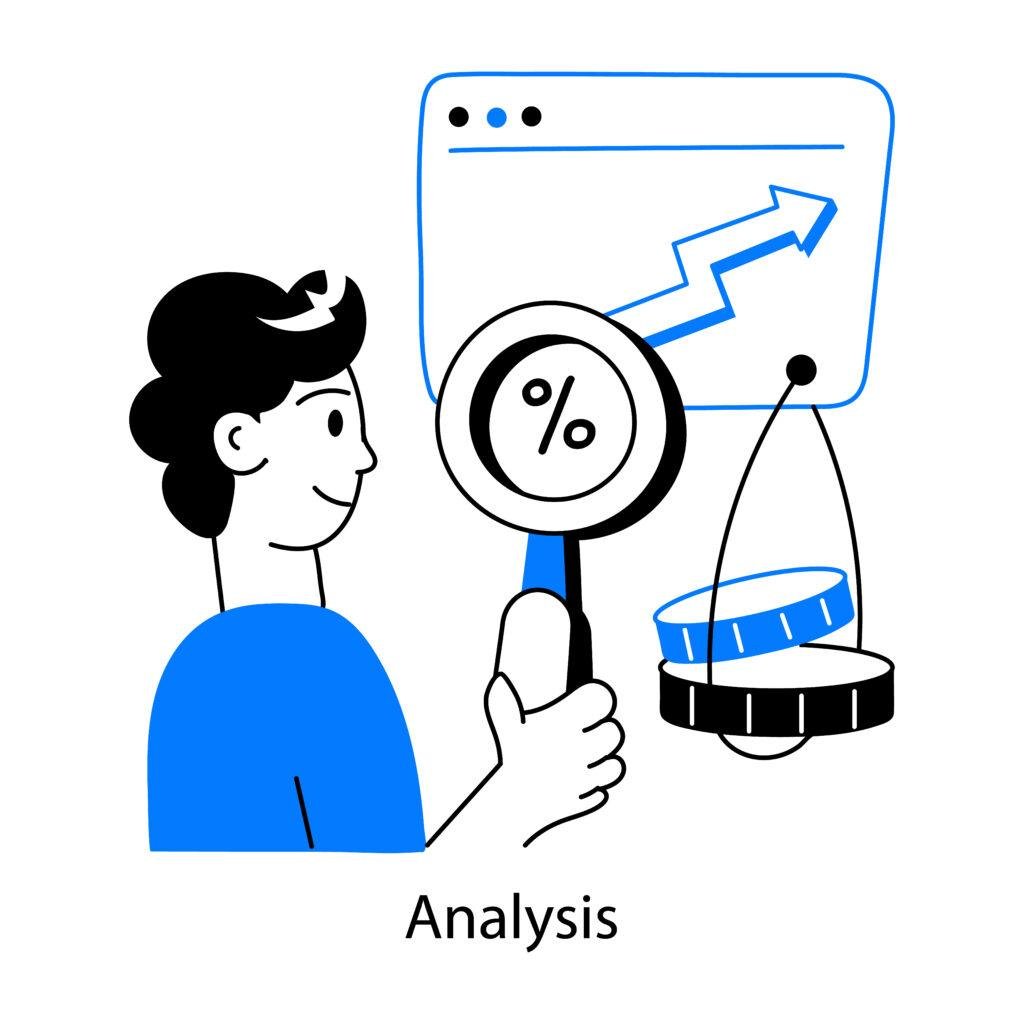
Test results are translated into next steps. We identify which messages scale, which need refinement, and which should be retired based on funnel impact.
What You Get With Ad Creative and Copy Testing Funnels
Creative testing should reduce uncertainty, not create more noise.
These outcomes show how structured testing improves decisions, not just metrics.
Clear Direction on What to Say and Why It Works
You stop guessing which messages resonate. Testing funnels reveal why certain angles connect with buyers, giving your team a clear direction for future creative decisions.

Faster Confidence in Creative Decisions
Instead of debating opinions, teams rely on evidence. Testing funnels shorten decision cycles by showing which ideas deserve iteration and which should be abandoned.

Stronger Creative Learning That Compounds Over Time
Each test builds on the last. Funnels capture insights systematically so creative learning compounds instead of resetting with every new campaign.
Why Creative Testing Funnels Create Strategic Advantage
Creative testing is not about winning ads.
It is about building a repeatable system that sharpens positioning and market understanding over time.

Better Alignment Between Message and Buyer Awareness
Testing funnels reveal which messages work at different awareness stages. This prevents overloading early-stage audiences and under-informing buyers who are ready to evaluate.
Stronger Positioning Consistency Across Campaigns
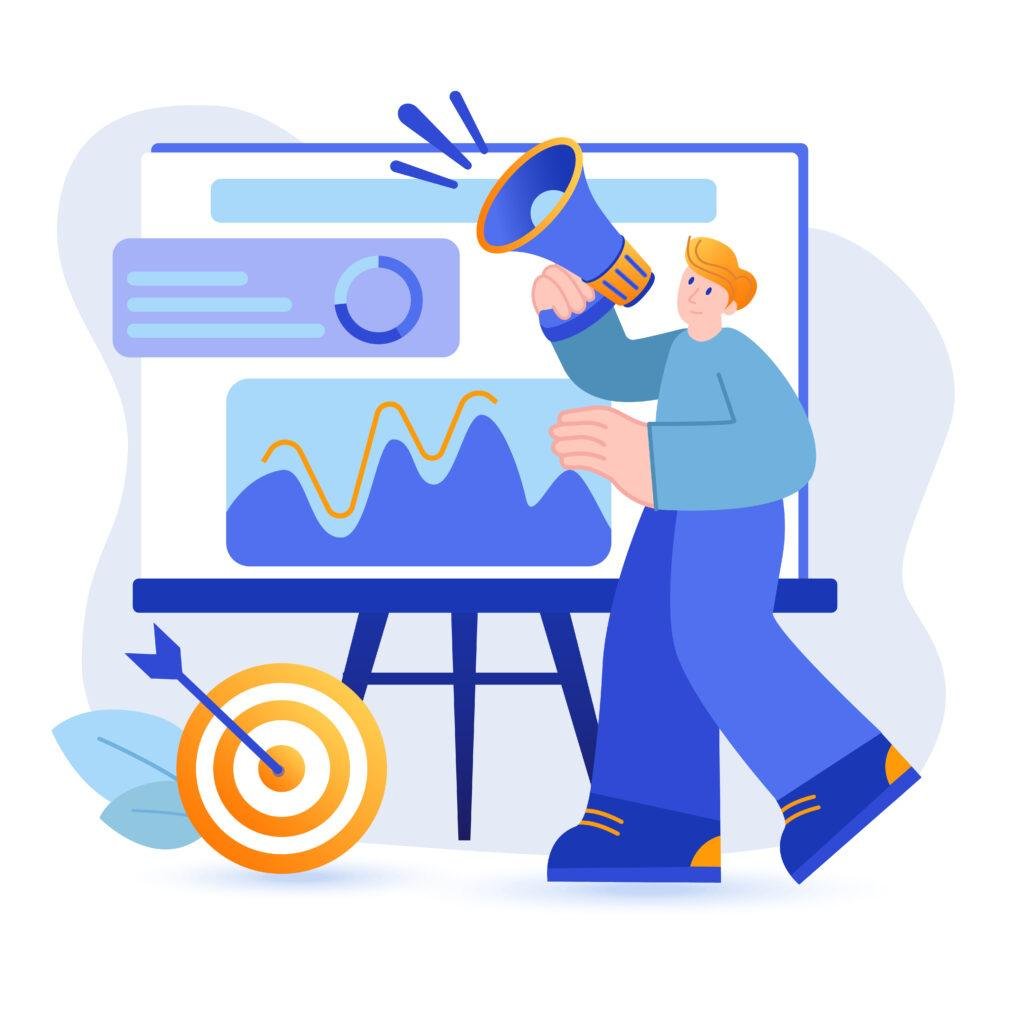
Funnels prevent creative drift. Messaging evolves based on evidence, not trends, so positioning stays consistent even as formats and channels change.
Reduced Reliance on Opinions and Internal Debate
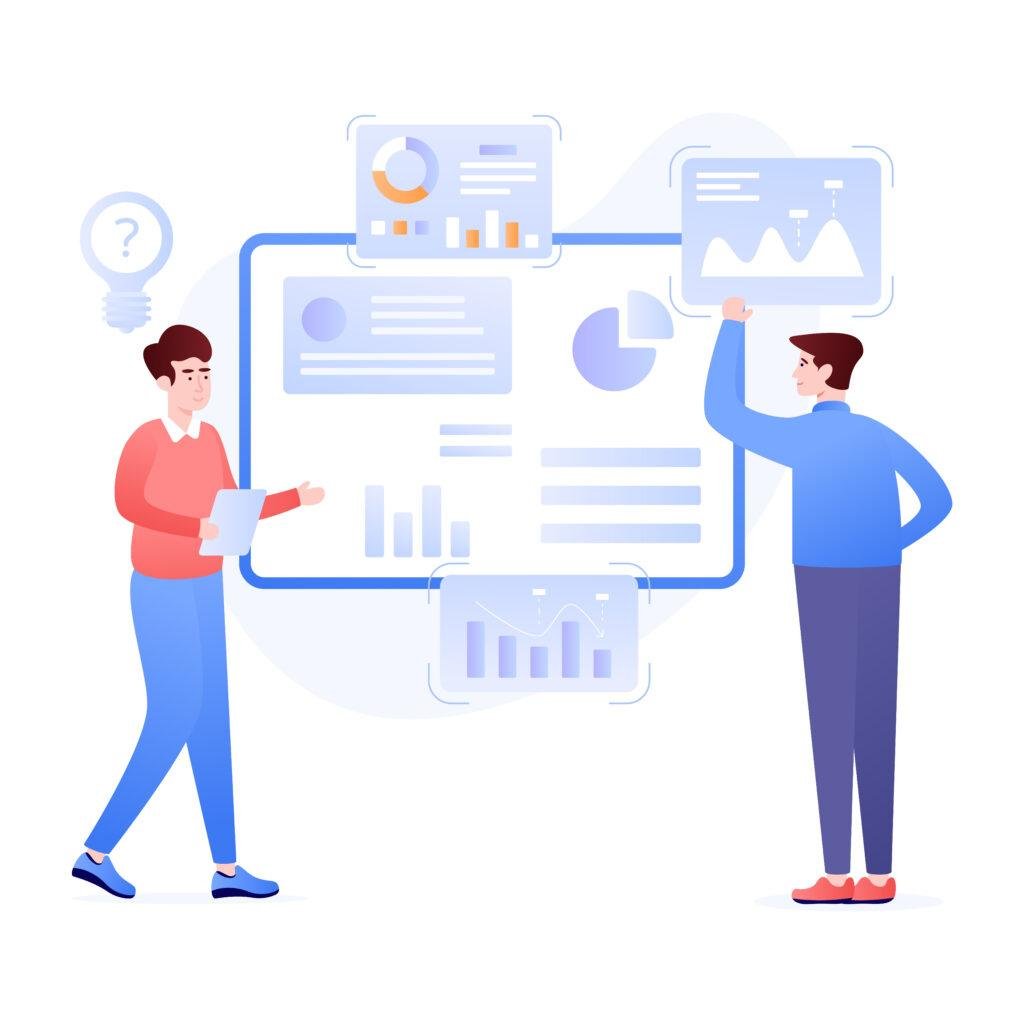
Creative decisions shift from subjective discussion to shared understanding. Funnels replace internal debates with evidence that teams can align around.
How Creative and Copy Testing Is Run as a Learning System
Creative testing only works when learning is deliberate.
This system controls how ideas are tested, compared, and translated into future decisions.
Hypothesis-Driven Creative Planning
Every test starts with a clear hypothesis. We define what the creative is expected to prove before it ever goes live.
- Defined test hypotheses
- Single variable focus
- Clear learning intent
Controlled Variable Isolation
Only one element changes per test. This keeps results interpretable and prevents false conclusions from mixed signals.
- Isolated variables
- Clean comparison logic
- Signal clarity
Evidence-Based Iteration Rules
Iteration follows rules, not reactions. Creatives are refined based on consistent patterns, not short-term fluctuations.
- Pattern validation
- Iteration thresholds
- Evidence-led changes
Insight Capture and Knowledge Retention
Insights are documented and reused. This prevents teams from relearning the same lessons every quarter.
- Insight documentation
- Knowledge continuity
- Reusable learning
Tools That Turn Creative Testing Into Institutional Knowledge
Creative testing only compounds when learning is preserved.
These tools support clarity, continuity, and confidence across every testing cycle.
Structured Creative Test Documentation
Every test is documented with its hypothesis, context, and outcome. This creates a shared reference point that teams can return to instead of restarting from scratch.
Cross-Test Comparison Frameworks
Results are compared across time and formats, not viewed in isolation. This helps identify patterns that persist beyond a single campaign or channel.
Shared Learning Access for Teams
Insights are accessible to marketing, creative, and leadership teams. This reduces dependency on individual memory and keeps direction consistent as teams change.
FAQ: Ad Creative and Copy Testing Funnels
Creative testing succeeds when learning is structured and repeatable.
These questions address how testing funnels improve clarity, direction, and long-term decision-making.
What makes creative and copy testing funnels different from regular A/B testing?
Regular A/B tests compare variations in isolation. Testing funnels control context, sequencing, and learning capture so results inform future decisions, not just short-term wins.
How many creatives should be tested at the same time?
Only a small, controlled set. Testing funnels prioritize clarity over volume so results remain interpretable and actionable.
How long should a creative test run before decisions are made?
Tests run until patterns stabilize, not until a fixed time window ends. Funnels focus on signal consistency rather than arbitrary deadlines.
Do creative testing funnels work across different paid channels?
Yes. The funnel structure governs how ideas are tested, regardless of platform. The learning remains transferable even as formats change.
How do testing funnels help teams avoid repeating the same mistakes?
Insights are documented and reused. This prevents teams from revisiting the same assumptions and restarting creative learning each cycle.
Turn Creative Testing Into a Reliable Learning System
If your creative decisions rely on opinions or short-term results, testing is not doing its job. Let’s review how your current tests generate insight and where learning breaks down.
This call is focused and practical. We review how your creatives are tested, how decisions are made, and how insights are reused.
You leave with a clear framework for improving creative direction, even if we do not work together.