
Paid Funnel Analytics and Optimization That Reveals What Actually Drives Results
Paid funnel analytics and optimization turn data into decisions.
Instead of reacting to surface metrics, we analyze funnel behavior to understand where progress happens, where it stalls, and why outcomes change.
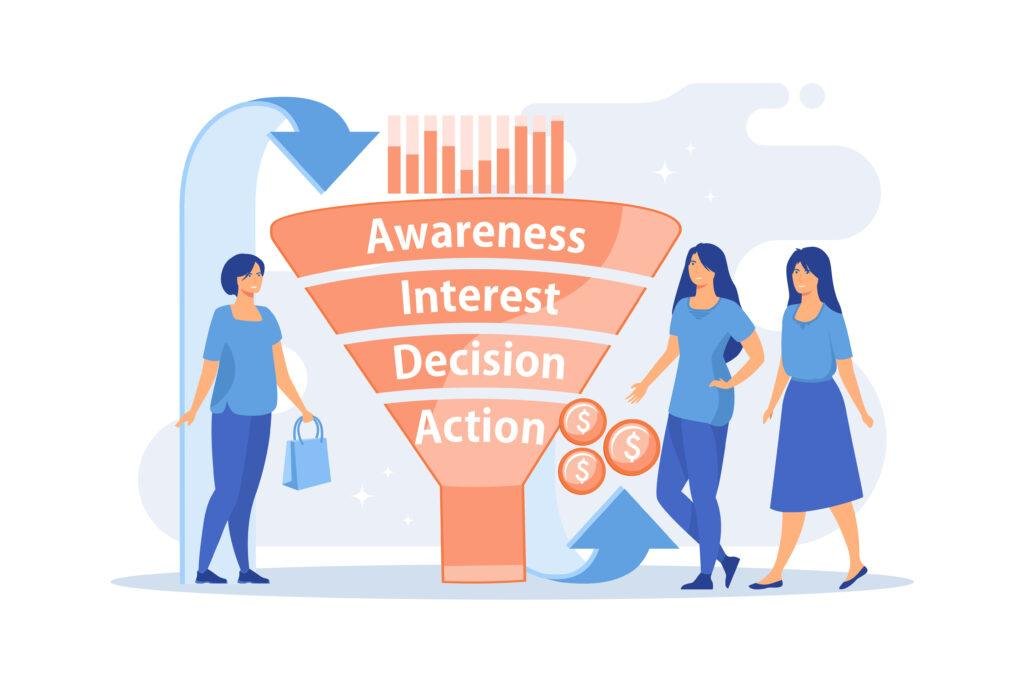
Why Paid Funnel Analytics and Optimization Matter
paid funnel analytics and optimization matter because surface metrics rarely explain why funnels succeed or fail. Clicks, impressions, and conversions show activity, but they do not reveal where momentum builds, where it breaks, or which stages influence outcomes.
Without funnel-level analysis, teams react to symptoms instead of causes. Analytics tied to funnel behavior expose decision points, drop-off patterns, and progress signals so optimization decisions are deliberate rather than reactive.
Funnel Behavior Explains Outcome Shifts
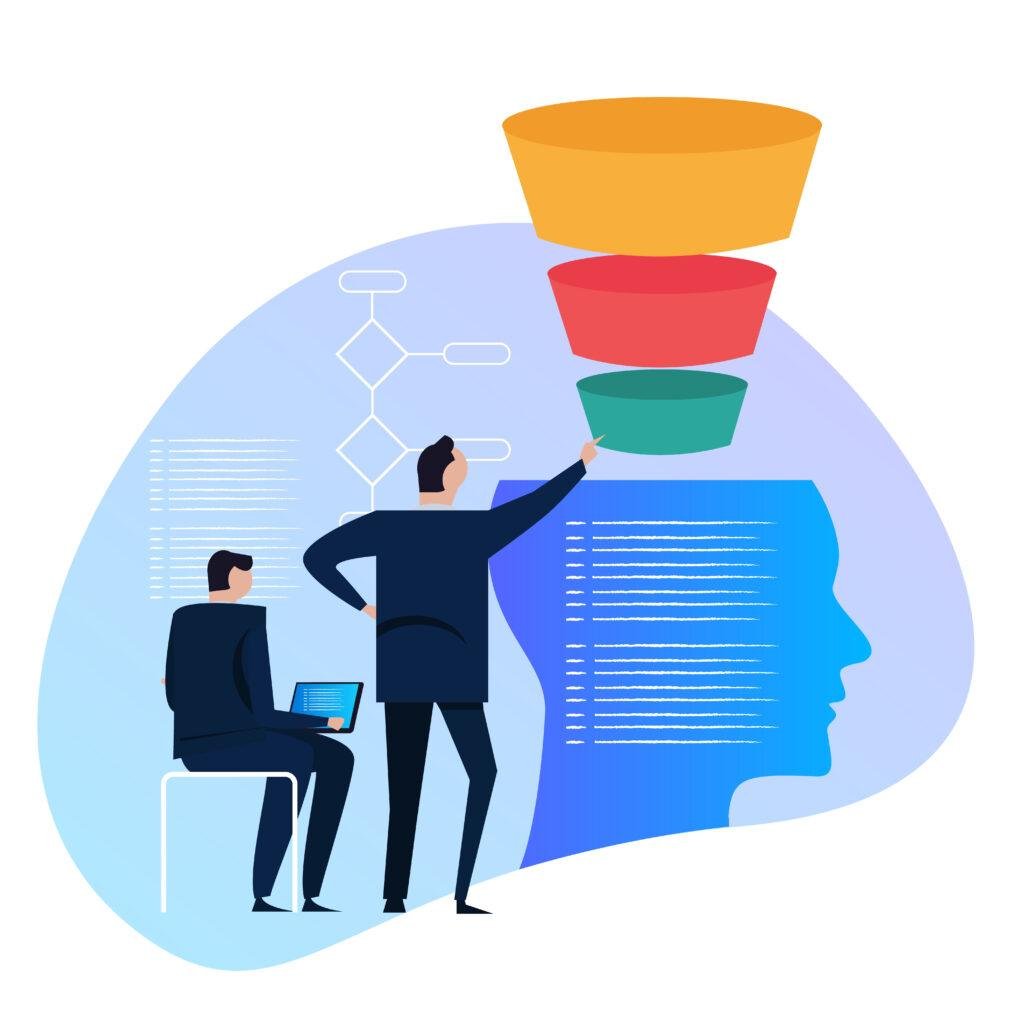
Changes in results usually come from shifts inside the funnel. Analytics focused on behavior show how users move, pause, or exit between stages instead of masking patterns behind aggregate metrics.
Optimization Requires Context, Not Isolated Metrics
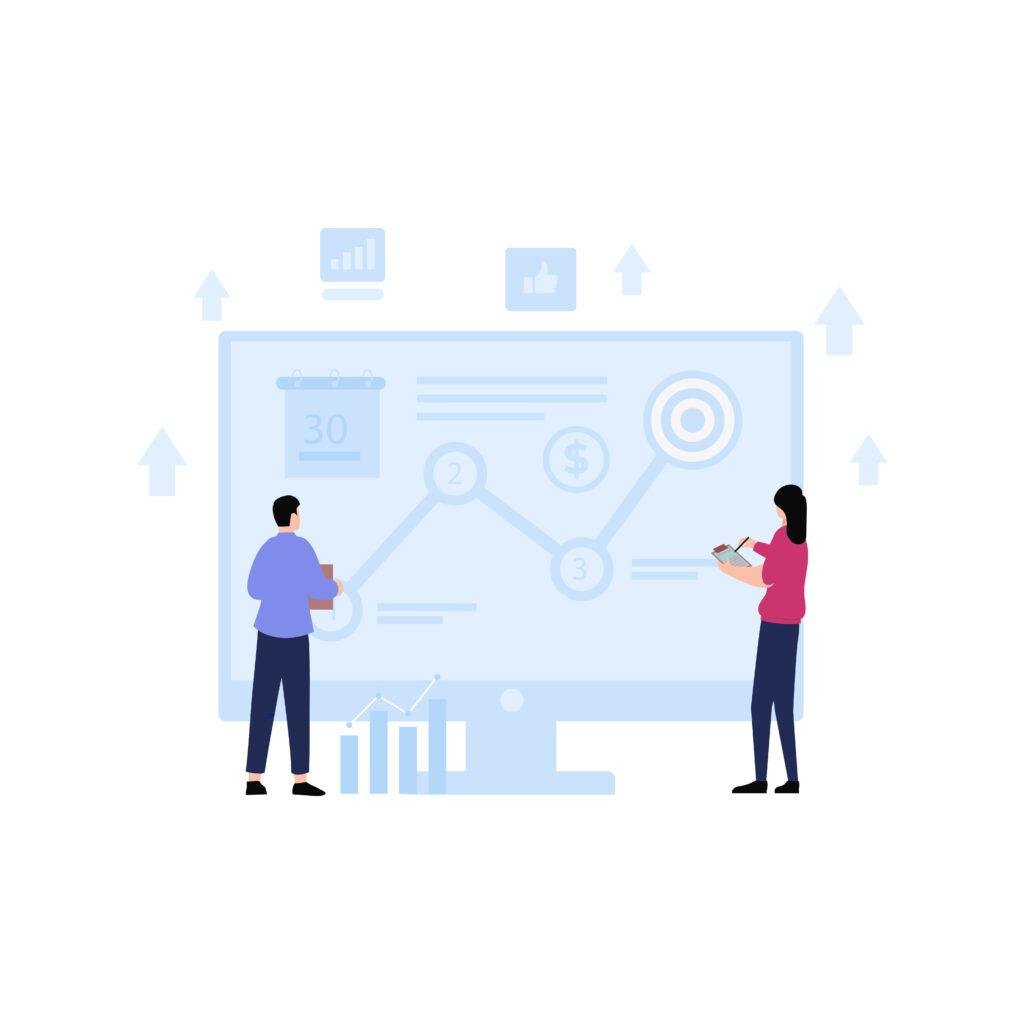
Optimizing individual steps without context creates conflicting signals. Funnel analytics connect actions to downstream impact so changes are evaluated by how they influence progression, not just local improvements

Decisions Improve When Signals Are Interpretable
Analytics should clarify decisions, not complicate them. Funnel-level signals reveal which changes matter and which fluctuations can be ignored, improving confidence in optimization choices.
Services We Deliver With Paid Funnel Analytics and Optimization
Analytics only matter when they explain movement inside the funnel.
These services turn raw data into interpretable signals that guide deliberate optimization.

Funnel-Level Measurement Design
We define how progress is measured across stages. Metrics are mapped to movement, friction, and drop-off so performance changes can be traced to specific points in the funnel.
Diagnostic Funnel Analysis and Interpretation
We analyze how users move through the funnel to identify where momentum forms or breaks. Interpretation focuses on behavior patterns, not surface-level fluctuations.

Controlled Optimization Planning
Optimization actions are planned with clear intent. Changes are introduced deliberately so their impact on progression can be evaluated without ambiguity.
What You Get With Paid Funnel Analytics and Optimization
Analytics should clarify where to act and where to wait.
These outcomes focus on visibility and judgment, not raw performance changes.

Clear Visibility Into Funnel Movement
You see how users progress between stages and where momentum slows. This visibility replaces assumptions with concrete understanding of how the funnel behaves over time.

Stronger Confidence in Optimization Decisions
Decisions are based on observable patterns, not instinct. Analytics show whether changes influence progression meaningfully, so actions are taken with confidence.

Clear Priorities for What to Improve Next
Analytics identify which stages deserve attention and which should remain unchanged. This prioritization prevents scattered effort and keeps focus on meaningful improvements.
Why Funnel Analytics Create Long-Term Decision Advantage
Optimization improves when teams understand patterns, not just results.
This section focuses on how analytics sharpen timing, judgment, and organizational clarity over time.

Pattern Recognition Across Campaign Changes
Analytics reveal recurring behaviors that persist across creatives, audiences, and channels. Recognizing these patterns helps teams avoid overreacting to short-term fluctuations.

Better Timing for Optimization Decisions
Analytics help teams act at the right moment. Instead of changing too early or too late, decisions align with when funnel signals stabilize.

Shared Understanding Across Teams
Analytics create a common reference point. Marketing, creative, and leadership teams interpret funnel behavior using the same signals, reducing misalignment.
How Funnel Analytics Is Applied to Guide Deliberate Improvement
Analytics only create value when they guide restraint as much as action. This system governs how data is interpreted, tested, and translated into controlled improvement.
Funnel Signal Definition and Validation
Before optimizing, we define which signals actually matter. This prevents teams from acting on noise and keeps attention on indicators tied to real funnel movement.
- Signal relevance mapping
- Noise filtering rules
- Validation thresholds
Stage-Specific Diagnostic Reviews
Each funnel stage is reviewed independently. This isolates where friction forms instead of attributing problems to the funnel as a whole.
- Stage-by-stage review
- Friction identification
- Isolated diagnosis
Change Impact Interpretation
When changes are made, their effects are interpreted in context. This avoids misattributing success or failure to the wrong adjustment.
- Contextual impact reading
- Attribution discipline
- Outcome interpretation
Controlled Optimization Cadence
Optimization follows a defined cadence. This keeps improvements intentional and prevents constant adjustment that obscures learning.
- Defined optimization rhythm
- Change pacing control
- Learning preservation
Tools and Practices That Keep Funnel Insights Reliable
Analytics only hold value when they stay consistent over time.
These tools and practices protect data integrity and make insights usable as funnels evolve.
Reliable Tracking Infrastructure
Tracking is structured to remain stable as campaigns change. This prevents data drift and ensures comparisons stay meaningful across time periods.
Interpretable Dashboards and Reporting
Dashboards are built for interpretation, not decoration. Reporting highlights progression and friction so teams can read funnel behavior without translation.
Consistent Measurement Governance
Measurement rules are documented and enforced. This keeps analytics consistent even as teams, tools, or campaigns change.
FAQ: Paid Funnel Analytics and Optimization
These questions clarify how funnel analytics is applied in practice.
They focus on scope, interpretation, and expectations, not tools or promises.
What makes funnel analytics different from standard ad reporting?
Standard reporting shows surface metrics like clicks or conversions. Funnel analytics examines how users move between stages, where progression slows, and how changes affect behavior inside the funnel.
Do you only work with existing tracking setups?
No. We can analyze existing setups or redesign measurement where signals are unclear. The goal is not more data, but data that explains movement and decision points.
How often should funnel optimization decisions be made?
Optimization should follow signal stability, not a fixed calendar. Analytics help determine when enough data exists to justify a change and when observation should continue.
Is this service tied to a specific ad platform?
No. Funnel analytics applies across platforms. The focus is on behavior inside the funnel, not on channel-specific performance views.
Can this work for long sales cycles as well as short ones?
Yes. The framework adapts to different cycle lengths. Funnel stages and signals are defined based on how decisions actually progress, not on assumed timelines.
Know What to Change Before You Change It
Analytics should tell you where to act and where to pause. This service helps you interpret funnel behavior before decisions are made.