
Integrations & Automation That Connect Systems and Eliminate Manual Work
Disconnected tools slow teams down and create operational blind spots. We design integrations and automation systems that connect your platforms, reduce manual effort, and keep data flowing reliably across your business.
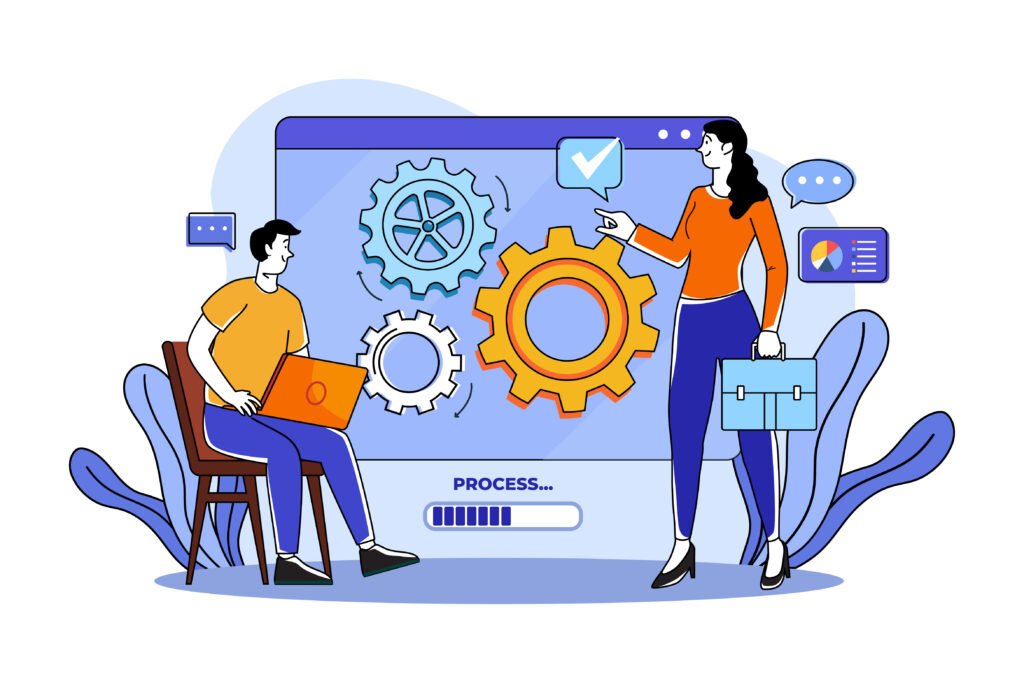
Why Software Integrations and Automation Matter
Software integrations and automation eliminate the operational friction caused by disconnected platforms, manual data handling, and repetitive tasks. Without proper integration, businesses lose time, introduce errors, and struggle to scale efficiently, even when using powerful individual tools.
When systems don’t talk to each other, teams compensate with manual work, duplicated data, and fragile processes. Software integrations and automation remove these gaps by creating reliable, connected workflows across your tools.
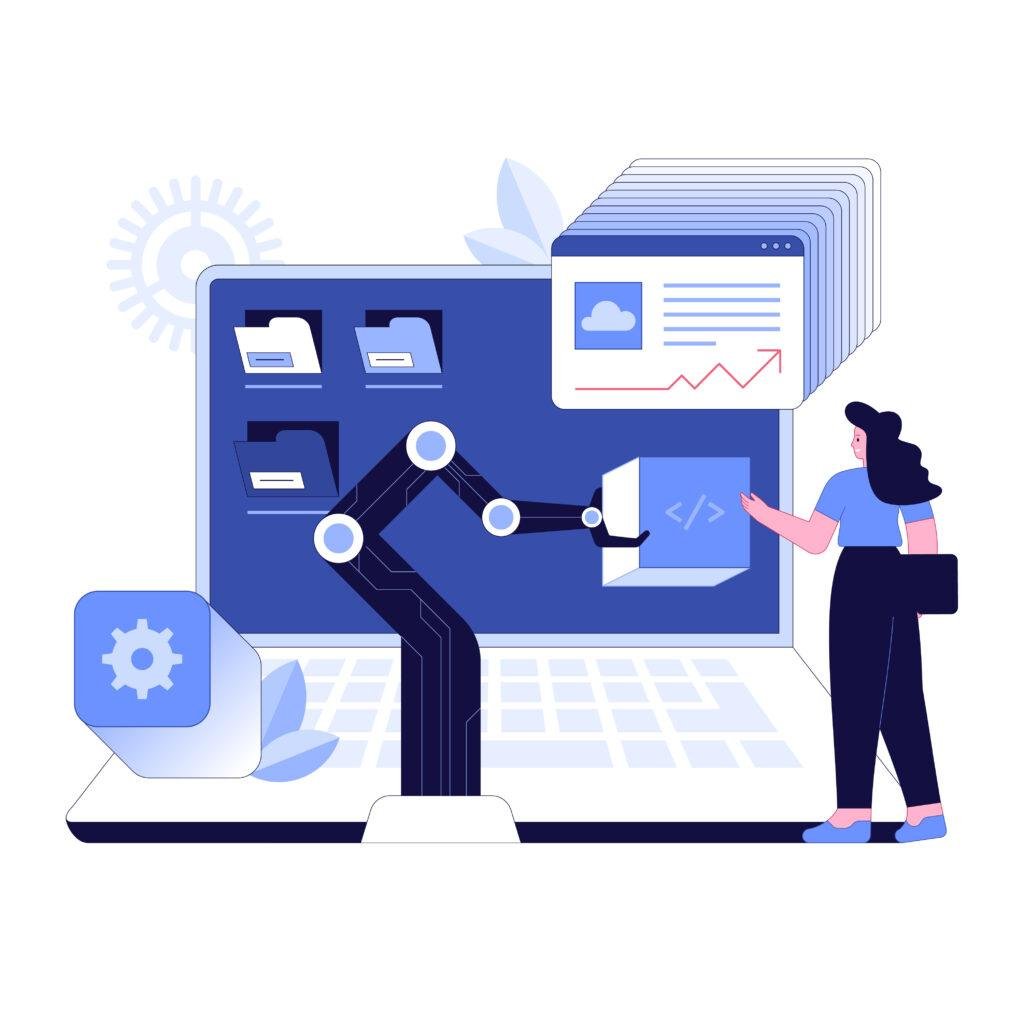
Eliminate Manual Work and Human Error
Manual data entry and repetitive tasks increase the risk of errors and slow teams down. Automation replaces these processes with reliable workflows that run consistently in the background.
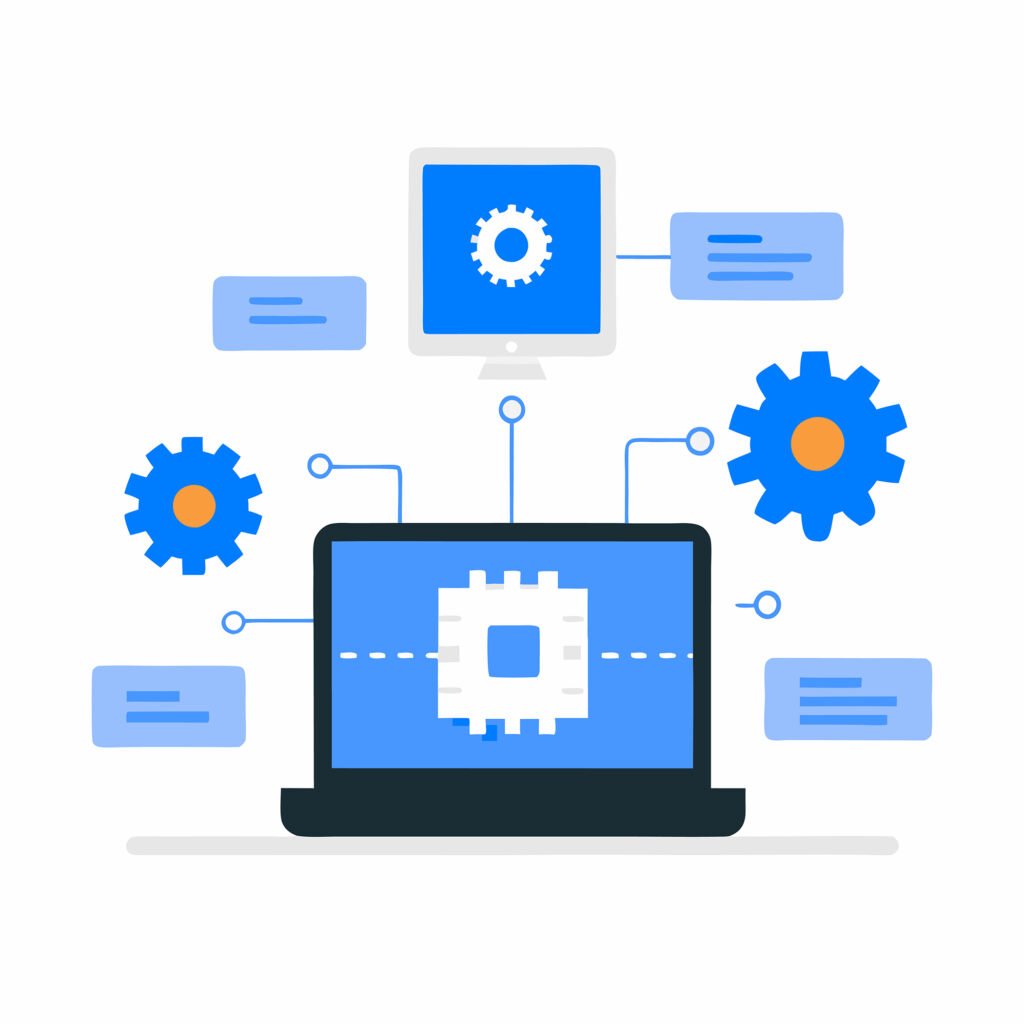
Connect Disconnected Tools and Platforms
Software integrations ensure that data flows seamlessly between platforms, creating a single source of truth across your systems and enabling scalable operations through connected systems and data synchronization.
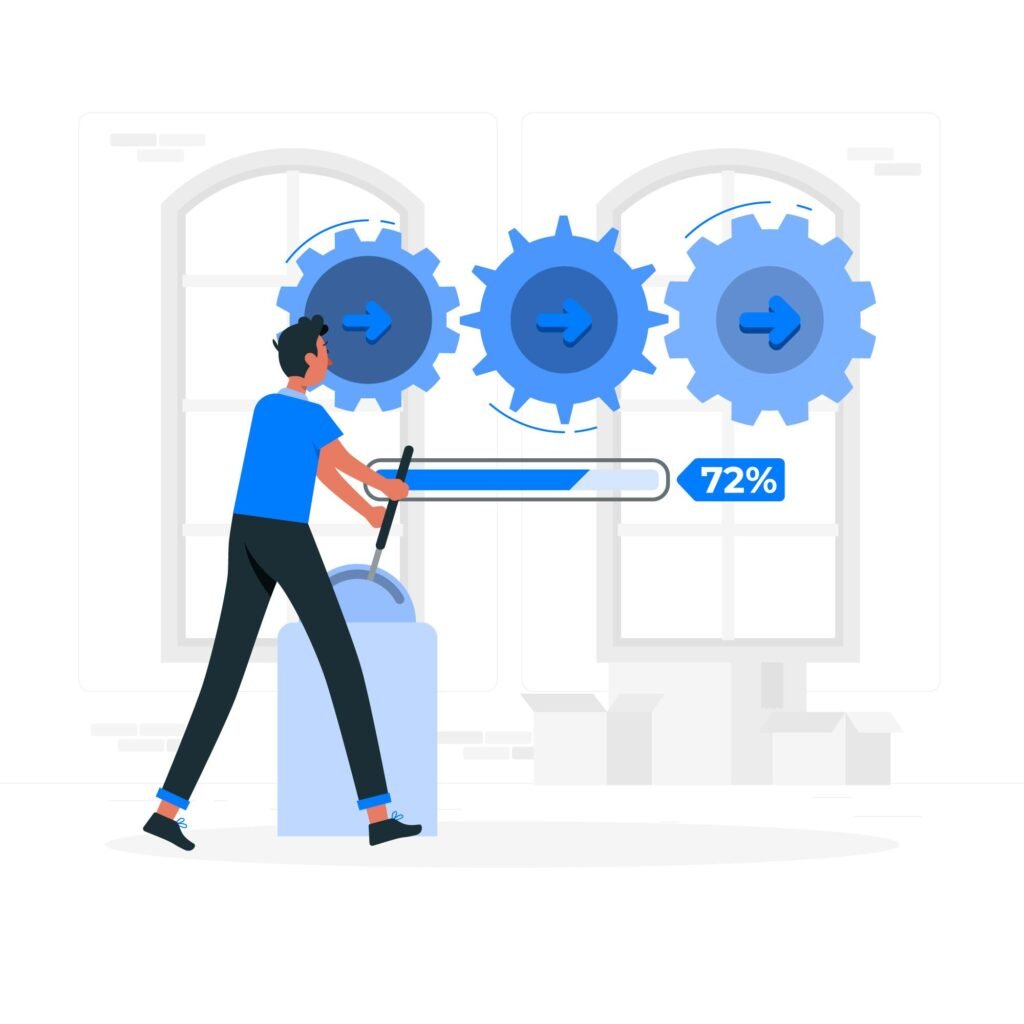
Scale Operations Without Adding Complexity
As businesses grow, manual processes break down. Automation allows operations to scale without increasing administrative overhead or operational risk.
Core Services Behind Software Integrations and Automation
We design and implement integration and automation services that connect systems reliably, reduce manual work, and support scalable business operations.
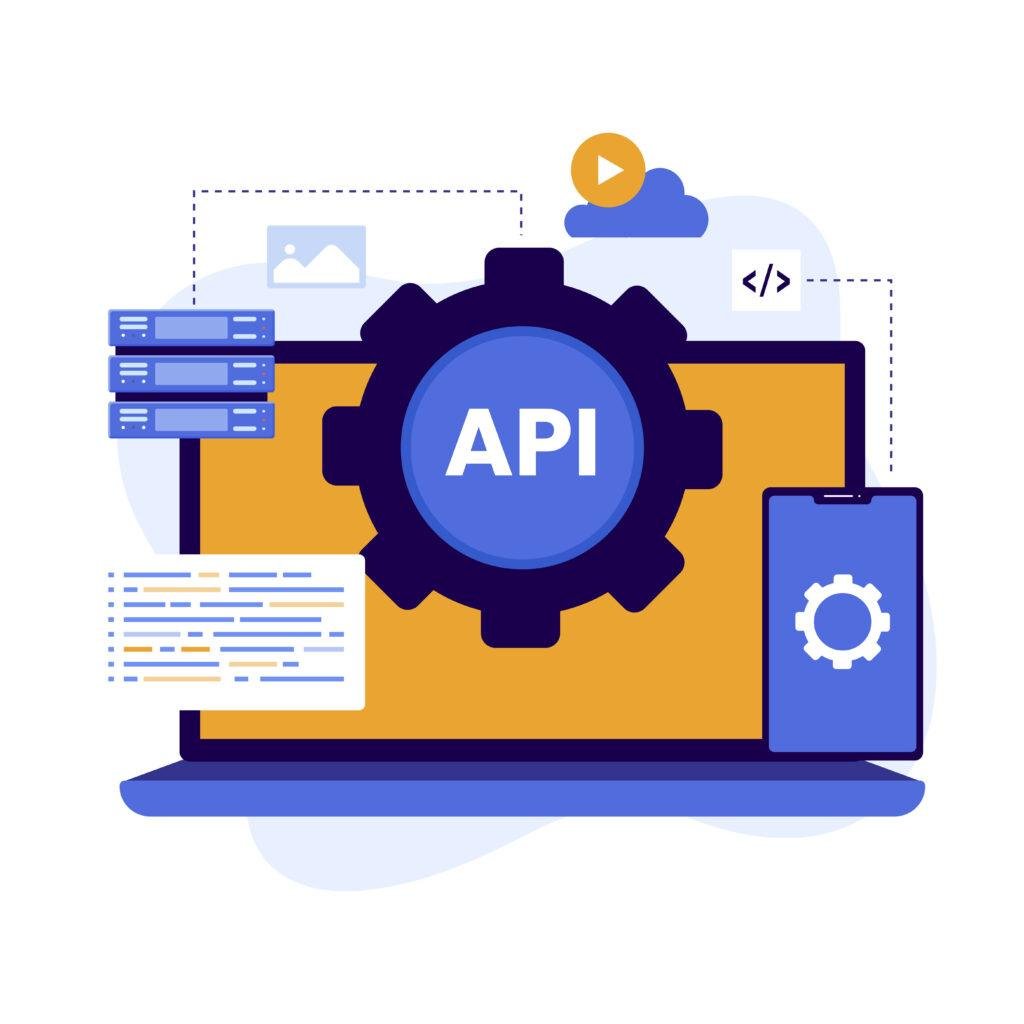
API Integrations Between Business Platforms
We build secure API integrations that allow different platforms to exchange data reliably, enabling automated workflows and consistent information across your systems.
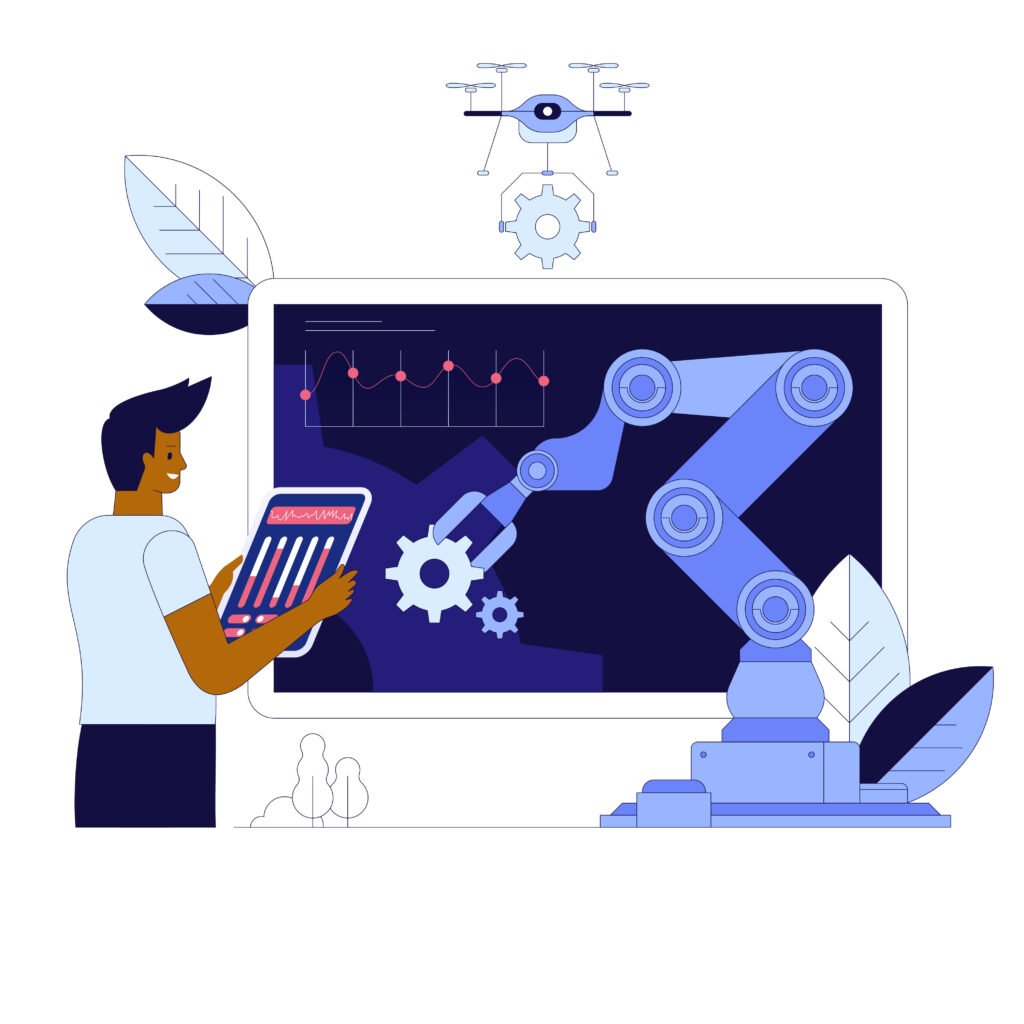
Workflow Automation and Process Optimization
Automation workflows are designed to streamline operations, eliminate repetitive tasks, and support scalable processes through automated business workflows.
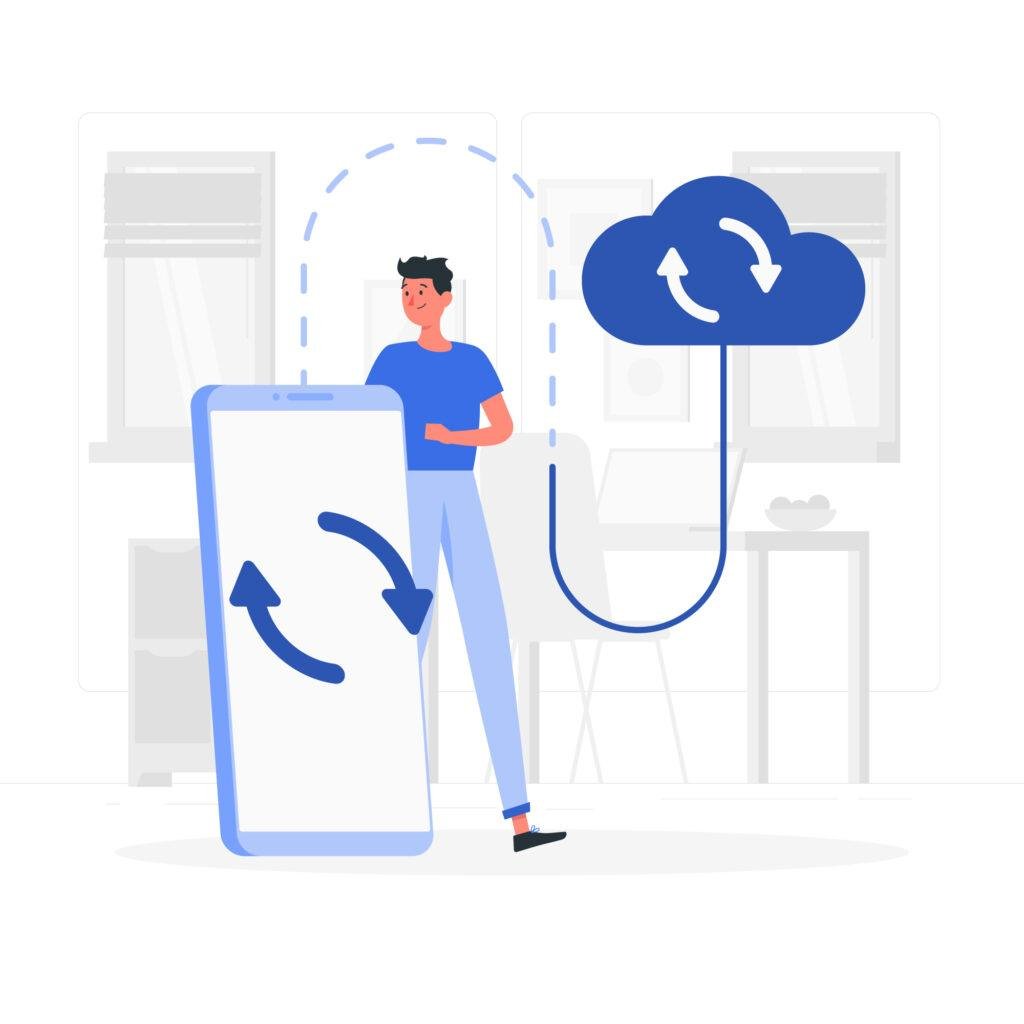
Data Synchronization and System Reliability
We ensure critical data stays accurate and consistent across platforms through reliable synchronization logic and error-handling mechanisms.
What You Get with Software Integrations and Automation
This is not about connecting tools once and hoping they work. Software integrations and automation deliver stable systems that run reliably, scale with your operations, and reduce ongoing manual effort.
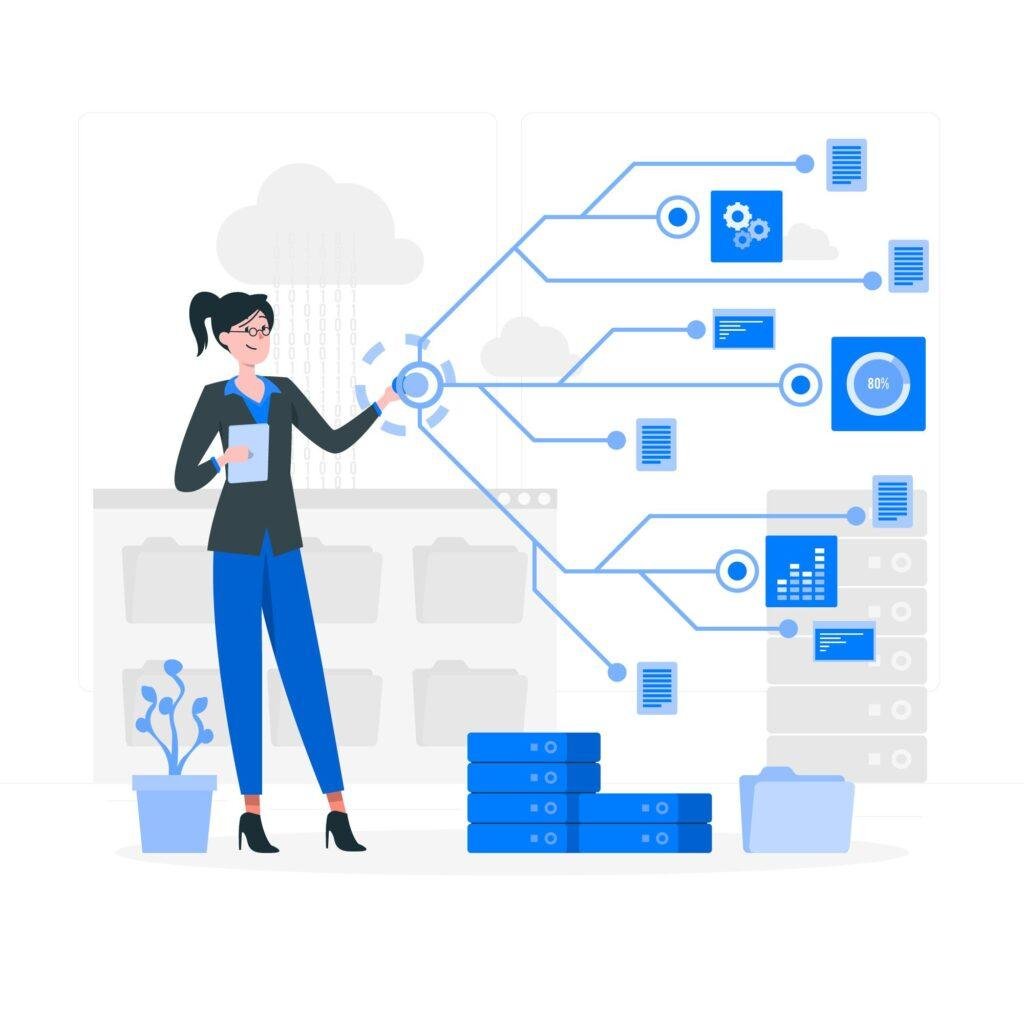
Seamless System Connectivity Across Platforms
You get fully connected systems where data moves automatically between platforms, ensuring consistent information flow and eliminating silos through connected business systems.
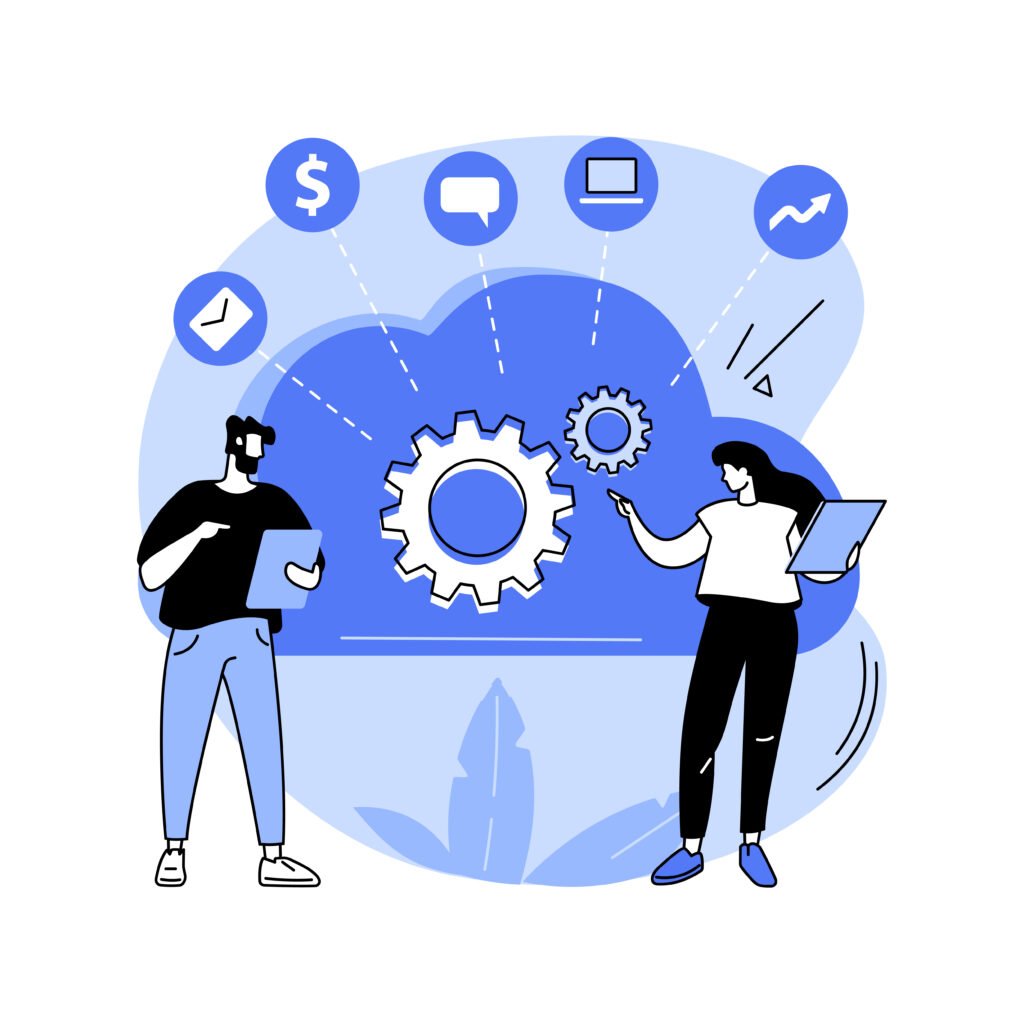
Automated Workflows That Run Reliably
You receive automation workflows designed to run consistently in the background, handling repetitive tasks and operational handoffs without manual intervention or constant supervision.
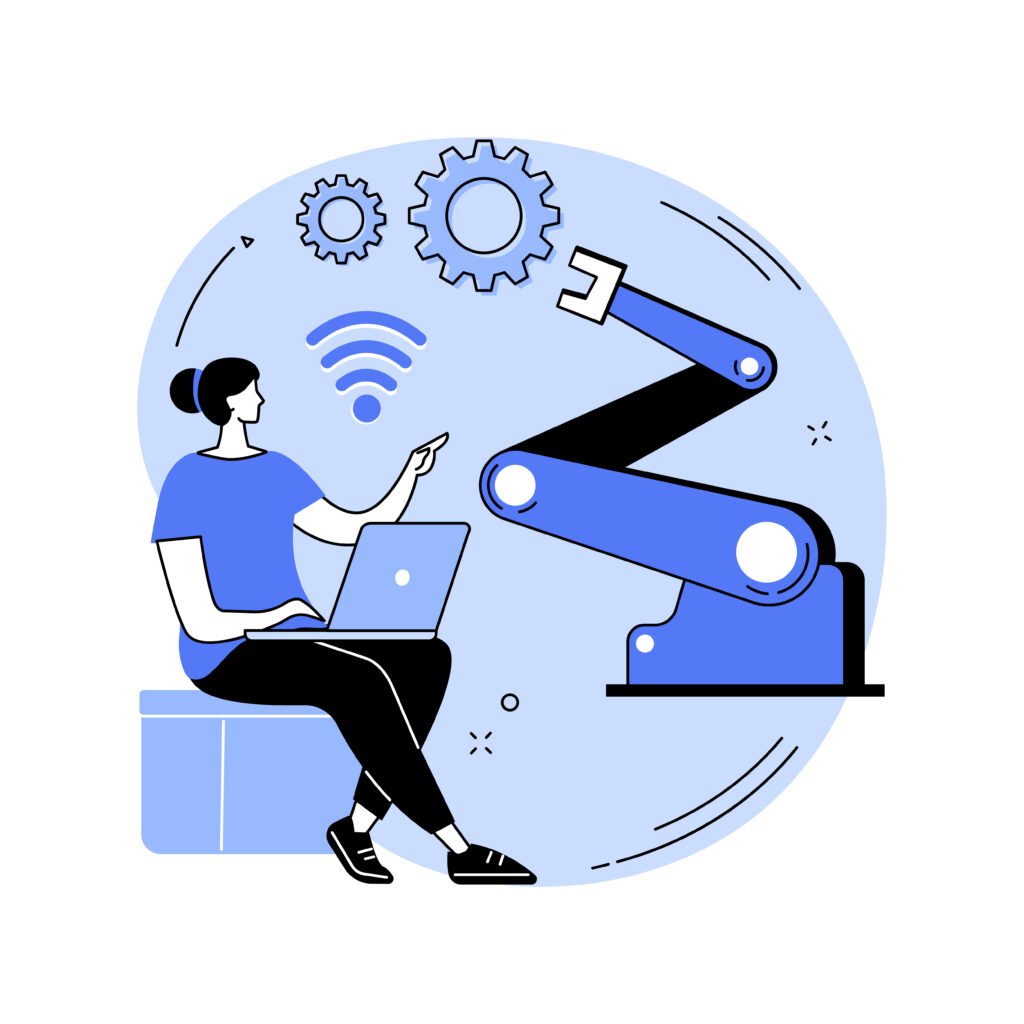
Reduced Operational Friction and Errors
By replacing manual processes with automation, operational errors decrease and teams regain time to focus on higher-value work instead of repetitive administrative tasks.
Business Outcomes of Software Integrations and Automation
Well-designed integrations and automation don’t just connect tools, they remove bottlenecks, improve reliability, and create measurable operational impact across the business.
Faster Operations with Fewer Bottlenecks
Automated processes replace slow manual handoffs, allowing operations to move faster and scale without increasing administrative workload.
More Reliable Data and Decision-Making
When systems stay synchronized automatically, teams work with accurate, up-to-date information that supports confident decisions through reliable data consistency.

Scalable Operations Without Growing Complexity
As operations expand, automation allows systems to handle increased volume and complexity without adding manual processes or operational risk.
How We Deliver Reliable Software Integrations and Automation
Our integration and automation process is designed to reduce risk, prevent fragile connections, and ensure long-term reliability across all connected systems.
Integration Strategy and System Mapping
We start by mapping your existing systems, data flows, and operational dependencies to design integrations that are stable, secure, and aligned with your business logic.
- Platform and data flow analysis
- Identification of integration points
- Clear automation scope definition
API and Workflow Implementation
Integrations and automation workflows are implemented using stable APIs, event-based triggers, and fail-safe logic to ensure consistent operation under real-world conditions.
- Secure API connections
- Event-based automation triggers
- Error handling and recovery logic
Testing, Monitoring, and Error Handling
Every integration is tested under realistic conditions and monitored to catch failures early, ensuring reliability even as systems and data volumes scale.
- End-to-end integration testing
- Monitoring and alert setup
- Controlled failure handling
Deployment and Ongoing Optimization
Once live, integrations are deployed carefully and optimized over time to support performance, stability, and evolving operational needs.
- Controlled rollout processes
- Performance optimization
- Ongoing integration improvements
Tools & Benefits That Support Long-Term Automation
Effective software integrations and automation rely on tools and frameworks that prioritize reliability, scalability, and long-term maintainability, not short-term hacks.
Proven Integration and Automation Platforms
We use established integration platforms and automation tools that are widely supported, secure, and suitable for long-term business operations.
Scalable and Maintainable Automation Logic
Automation logic is designed to scale with your operations while remaining readable, testable, and easy to adjust as systems evolve.
Reduced Operational Overhead Over Time
Well-implemented integrations and automation reduce ongoing operational effort, freeing teams from manual supervision and repetitive maintenance tasks.
Integrations & Automation - Frequently Asked Questions
The most common questions businesses ask when considering software integrations and automation for their operations.
What is the difference between integration and automation?
Integration connects different software systems, allowing them to communicate and share data. Automation eliminates manual tasks by creating workflows that run on their own, triggered by specific events or conditions.
Can automation replace human employees?
Automation reduces repetitive tasks and manual labor, but it does not replace human employees entirely. It allows your team to focus on higher-value work by handling the routine, mundane operations.
How long does it take to integrate and automate business processes?
The timeline depends on the complexity of the systems being integrated and the level of automation required. Simple integrations may take days, while more complex systems may take weeks or months, depending on business needs.
How secure is data in automated systems?
We use industry-standard encryption, authentication, and authorization mechanisms to ensure that data remains secure across all integrated systems and automation workflows. We also implement rigorous testing and monitoring to detect any vulnerabilities.
Will my business be able to scale with integrations and automation?
Yes. Well-designed integrations and automation are built to scale with your business as it grows. They ensure that as your operations expand, your systems remain reliable, data flows seamlessly, and manual intervention remains minimal.
Ready to Streamline Your Business with Software Integrations and Automation?
If you’re looking to eliminate manual work, reduce errors, and connect your systems for smoother operations, we’re here to help you design and implement the right integrations and automation solutions for your business.